Riots, defined as collective acts of unrest often involving violence, have been explored through various perspectives by writers across centuries. Victor Hugo examines their ethical and economic consequences, differentiating them from battles, while Dan Quayle places direct responsibility on the rioters.
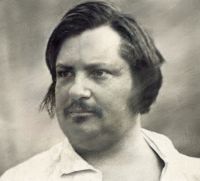
Thomas Ellwood challenges the misuse of the term, pointing out legal inconsistencies, and Honoré de Balzac implies that riots might unintentionally benefit the government. These viewpoints, spanning from sociopolitical analysis to moral contemplation, portray riots as intricate events intertwined with issues such as class, fairness, and authority, illustrating their diverse influence on societies.