John Balliol

Definition and stakes

John Richard Green,  History of the English People, Volume II

“ At Berwick Edward received Balliol's formal defiance. "Has the fool done this folly?" the king cried in haughty scorn; "if he will not come to us, we will come to him." The terrible slaughter however had done its work, and his march northward was a triumphal progress. Edinburgh, Stirling, and Perth opened their gates, Bruce joined the English army, and Balliol himself surrendered and passed without a blow from his throne to an English prison. No further punishment however was exacted from the prostrate realm. ”
Source: Gutenberg

J. Franck Bright,  A History of England, Period I. Mediæval Monarchy

“ The party of Balliol and of Comyn was by no means extinct, and the disinherited lords gathered round Edward Balliol, the son of John, who thus became the head of a formidable body of men, whose interests were strongly opposed to the government of the Bruces. They suddenly determined on an expedition to restore if possible Balliol to the throne. ”
Source: Gutenberg

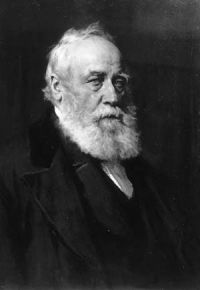
Portrait of Samuel Rawson Gardiner Samuel Rawson Gardiner,  A Student's History of England…

“ The grandson of the eldest daughter was John Balliol; the son of the second was Robert Bruce; the grandson of the third was John Hastings. Balliol maintained that he ought to succeed as being descended from the eldest: Bruce urged that the son of a younger daughter was nearer to the common ancestor, David, than the grandson of the elder: whilst Hastings asked that Scotland should be divided (p. 216) into three parts—according to a custom which prevailed in feudal estates in which the holder left only daughters—amongst the representatives of David's three daughters. ”
Source: Gutenberg

Get perspective with Kwize: daily news enlightened by great literature