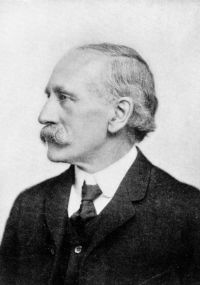
John Buford (1826–1863) was a Union Army cavalry officer renowned for his crucial role in the Battle of Gettysburg, where his strategic insight in securing high ground slowed Confederate advances and allowed Union reinforcements to arrive. Born in Kentucky, he rose to major general, distinguished by his command in key battles such as Second Bull Run and Antietam. Although his health declined by 1863, his tactical brilliance at Gettysburg earned him posthumous recognition from President Lincoln.
Authors such as Elizabeth Buford Phillips and Geraldine Bonner, while not directly focusing on his military achievements, reflect broader cultural depictions of 19th-century American courage and legacy, placing Buford’s lasting influence within the context of Civil War historical scholarship. His legacy, linked with figures like Robert E. Lee and George Meade, highlights his essential role in shaping the Union’s battlefield successes.