Jotun

Definition and stakes

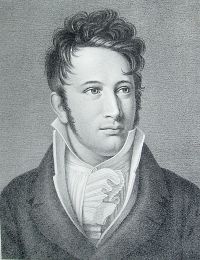
Portrait of Adam Oehlenschläger Adam Oehlenschläger,  The Gods of the North: an epic poem

“ JETTER, JOTUN. So were called the evil genii or giants of the Gothic mythology. Historically, they were probably the aboriginal inhabitants of Scandinavia, and were of Celtic race, with black hair. Being engaged in continual and deadly warfare with the Asar or Goths, from the time of Odin’s invasion, these last may have, from a spirit of national hatred, transferred the appellation Jotun to the evil genii of their own mythology, before that epoch termed Hrimthusser. ”
Source: Gutenberg

Ottilie A. Liljencrantz,  The Ward of King Canute: A Romance of the Danish Conquest

“ There was nothing Jotun-like about his long, lean features, yet his expression was little pleasanter on that account. From under his lowering shaggy brows he appeared to see without being seen; and one distrusted his hidden eyes as a traveller in the open distrusts a skulker in the thicket.
He said in his measured voice, “In that matter my opinion stands with Canute. When bloodshed is unnecessary, it becomes a drawback. Craft is greatly to be preferred. One does not cross deep snow by stamping through it on iron-shod feet
”
Source: Gutenberg

Ottilie A. Liljencrantz,  The Ward of King Canute: A Romance of the Danish Conquest

“ As he swallowed his last mouthful of food, Rothgar said abruptly, “Canute has put your training into my hands. It is his will that I find out how much skill you have with weapons.”
It was nothing more than she should have expected, yet it came upon her with the suddenness of a blow. She could only stammer, “Weapons?”
The Jotun’s voice rumbled hideously as he talked into his goblet. “Have you the accomplishment to wield a battle-axe or throw a spear? Can you shoot straight?”
”
Source: Gutenberg

Get perspective with Kwize: daily news enlightened by great literature