Uzziah

Definition and stakes

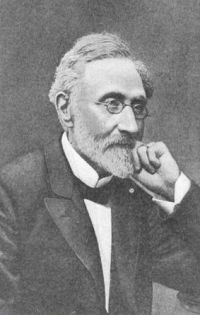
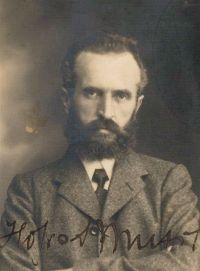
Portrait of Alois Musil Alois Musil,  The Northern Ḥeǧâz (1926)

“ According to 2 Chronicles, 26: 7, King Uzziah (779—740 B. C.) destroyed the Arabs that dwelt in Gûr Baʻal, and the people of Meʻûn. The Bible refers to the Arabs as dwelling south and southeast of the Dead Sea, and it is in these regions that our oasis of Maʻân is located. The records of the political and economic affairs of the time of Uzziah point in the same direction. Uzziah’s father, Amaziah, subjugated the people of Edom and Seʻîr (2 Chron., 25: 14) . Uzziah took advantage of this victory and established sway over the harbor of Elath, the present-day al-ʻAḳaba. ”
Source: Wikisource

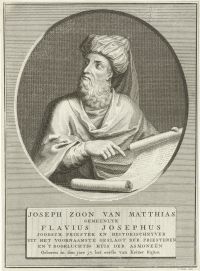
Portrait of Flavius Josephus Flavius Josephus,  Antiquities of the Jews

“ While Uzziah was in this state, and making preparation [for futurity] , he was corrupted in his mind by pride, and became insolent, and this on account of that abundance which he had of things that will soon perish, and despised that power which is of eternal duration [which consisted in piety towards God, and in the observation of the laws] ”
Source: Gutenberg

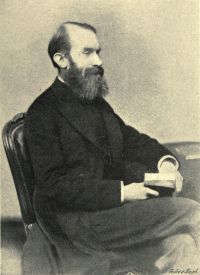
Edward B. Pollard,  Oriental Women

“ Riches had led to luxury, and commerce had made the people more hospitable to foreign ideals, both social and religious.
It was in the reign of Uzziah's successor, Jotham, that a new and eloquent voice was lifted up on behalf of reform, calling the people back to the ideals of the fathers and of the prophets. This new force in Jerusalem was the young Isaiah, whose striking vision in the year King Uzziah died caused him to give up a profane life for the prophet's office; and upon none of the Hebrew prophets do the condition and character of woman seem to have made so deep an impress.
”
Source: Gutenberg

Get perspective with Kwize: daily news enlightened by great literature