Jehoiada

Definition and stakes

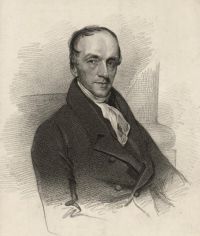
Portrait of F. W. Farrar F. W. Farrar,  The Expositor's Bible: The Second Book of Kings

“ The ascendency which Jehoiada had acquired as priest-regent had been maintained till long after the young king had arrived at full manhood. At last, however, he had come into collision with the priestly body. He was in the right; they were transparently in the wrong. The Chronicler, and even the older historian, soften the story against the priests as much as they can; but in both their narratives it is plain that Jehoiada and the whole hierarchy had been more careful of their own interests than of those of the Temple, of which they were the appointed guardians. ”
Source: Gutenberg

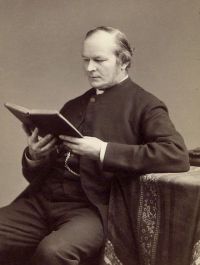
Portrait of F. W. Farrar F. W. Farrar,  The Expositor's Bible: The Second Book of Kings

“ Life in Judah was less dramatic and exciting than in Israel, but far more stable; [251] and this, together with comparative immunity from foreign invasions, constituted an immense advantage.
Jehoiada, of course, became regent for the young king, and continued to be his guide for many years, so that even the king's two wives were selected by his advice. As the nation had been distracted with idolatries, he made the covenant between the king and the people that they should be loyal to each other, [Pg 154] and between Jehoiada and the king and the people that they should be Jehovah's people.
”
Source: Gutenberg

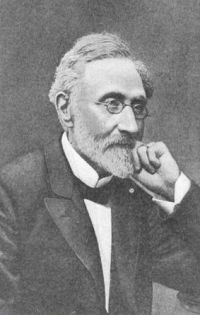
Portrait of F. W. Farrar F. W. Farrar,  The Expositor's Bible: The Second Book of Kings

“ Two more were to ensure the safety of the little king by watching the precincts of the Temple. The Levitic officers were to protect the king's person with serried ranks. Jehoiada armed them with spears and shields, which David had placed as trophies in the porch; and if any one tried to force his way within their lines he was to be slain. The only danger to be apprehended was from any Carite mercenaries, or palace-servants of the queen: among all others Jehoiada found a widespread defection. The people, the Levites, even the soldiers, all hated the Baal-worshipping usurper. ”
Source: Gutenberg

Get perspective with Kwize: daily news enlightened by great literature