Kanchenjunga

Definition and stakes

Chikamatsu Monzayemon,  Tales from Old Japanese Dramas… (1915)

“ She then told him how Princess Sendan had drifted over to Japan the previous winter, and how Kokusenya and Tei Shiryō had determined to strike for the restoration of the Ming dynasty. After her narration, she earnestly begged Kanki to espouse their cause.
"Then," said Kanki with surprise, "is Kokusenya of Japan my wife's brother? He is famous all over this country for his bravery. I was formerly in the service of the Ming Emperor; but after his death I became a retainer of the King of Tartary. I am now the lord of a province and a castle under his sovereignty.
”
Source: Wikisource

Chikamatsu Monzayemon,  Tales from Old Japanese Dramas… (1915)

“ It will not only be my own shame, but also a disgrace to Japan. I can't bear the thought of it." She had scarcely uttered these words, when she snatched Kinshō's dagger, and plunged it into her own throat. Kanki and Kokusenya sprang up with horror. "Don't either of you be surprised!" said the old woman with dying gasps. "Don't grieve at our deaths! Regard the King of Tartary as the enemy of your mother and of your wife, and be sure to take revenge upon him. You will thus do your best for the restoration of the Ming dynasty. ”
Source: Wikisource

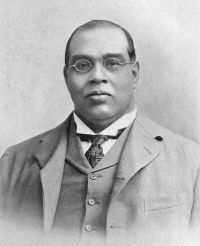
Portrait of Romesh Chunder Dutt Romesh Chunder Dutt,  History of India (1906)

“ Kanishka's vast empire extended over Kabul, over Yarkand and Khotan, over Kashmir and Rajputana, and over the whole of the Pan jab, to Gujarat and Sind in the south, and to Agra in the east, and even China had hostages at his court. Kanishka was a zealous Buddhist of the Northern school, and held a council of five hundred monks. If this council had settled the text as the Council of Asoka at Pataliputra did, we should now have in our possession the canon of Northern Buddhism as we have the Three Pitakas of the South. ”
Source: Wikisource

Get perspective with Kwize: daily news enlightened by great literature