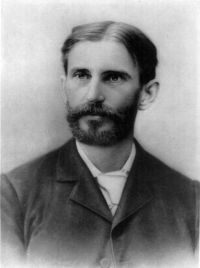
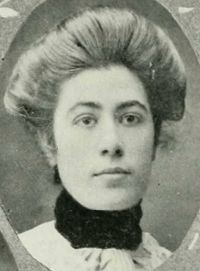
 Zoë Kincaid,
Kabuki
(1925)
Zoë Kincaid,
Kabuki
(1925)
“ Masks and marionettes have had a large part in the shaping of Kabuki conventions. Many of these conventions, that seem so strange and very often absurd upon first acquaintance, become more intelligible in the light of the debt the popular theatre owes to the Doll-stage and to the still older form, the Nō.Stepping in imaginary waves, washing the feet in water that does not exist; cooking food without fire, drinking tea from empty cups; blows that do not touch; cold steel that does not clash,—all these have come to Kabuki out of the inexhaustible suggestiveness of the Nō. ”