Kano

Definition and stakes

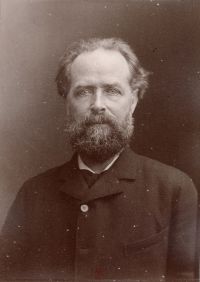
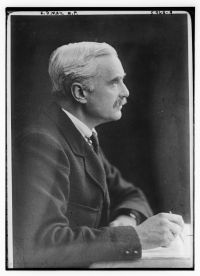
Portrait of E. D. Morel E. D. Morel,  Nigeria (1912)

“ Picturesque by day, with numerous and gaily dressed pedestrians and horsemen perambulating its tortuous streets, busy crowds around its markets, dye-pits, tanneries, and looms, Kano is still more so when the moon floods its broad open spaces with light and flings strange shadows across the sandy thoroughfares where they abut upon the dwelling-places of its inhabitants. ”
Source: Gutenberg

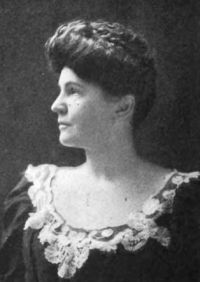
Constance Belcher Larymore,  A Resident's wife in Nigeria (1908)

“ Kano is a centre of strenuous trade, there is no dallying and chattering and laughter, no sign of the ubiquitous hawker of trifling curios, who haunts an Indian bungalow, and even squats below the verandah of a Lokoja house to-day. The wares that have been brought across the Great Desert amid perils and hazards innumerable are not to be lightly disposed of, and the fierce-eyed swaggering Arabs do most of their bartering privately within the square, dark, low buildings, over much coffee and many cigarettes. ”
Source: Gutenberg

Constance Belcher Larymore,  A Resident's wife in Nigeria (1908)

“ The slaves of Kano in the early days must have been as the sand of the sea, for, inside the city, the buildings are on the same plan and of the same material. In Africa, it is only to the white man that Nature shows a brazen pitiless face; to the child of the soil she is tenderly, munificently bountiful. The clay for building Kano was under their feet; they dug it out, and set up enormous dwellings, almost fortresses, masses of cool dark halls, windowless except for slits high up near the vault of the roof, where the temperature never varies by ten degrees all the year round. ”
Source: Gutenberg

Get perspective with Kwize: daily news enlightened by great literature