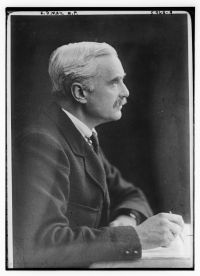
E. D. Morel

Biographical details

Portrait of E. D. Morel E. D. Morel Nigeria (1912)

It is difficult to over-estimate the value to man and beast, to the hot and dusty European, to the weary-footed carrier, to the patient pack-ox, and cruelly-bitted native horse, of the occasional shady tree at the edge of or on the road. And what magnificent specimens of the vegetable kingdom the fertile soil of Kano Province does carry—our New Forest giants, though holding their own for beauty and shape and, of course, clinging about our hearts with all their wealth of historical memories and inherited familiarity, would look puny in comparison.
Source: Gutenberg

Portrait of E. D. Morel E. D. Morel Nigeria (1912)

A file of pack donkeys stream across the sands to the village on the opposite bank. We watch the sight from the foot of a great tree, from which hang sundry charms, and as we sit there—it is a rendezvous, it seems, and a small market-place in its way—several young women stroll towards us bearing wares in grass platters which they spread close to us on the ground, conversing in low tones broken now and again by the jolly African laughter—the mirth of the child of nature with few cares and fewer responsibilities.
Source: Gutenberg

Portrait of E. D. Morel E. D. Morel Nigeria (1912)

A sight for the dear gods, I tell you—is the Euphædra sunning himself on a Niger forest path. Men and politics become as small fry. The right perspective asserts itself. You almost forget the beastly, clogging, mentally muddling helmet (how the Almighty has blessed the African by granting him a thick skull which he can carry on his neck, shaved—shaved, mind you (the bliss of it even in thought!) ,—and as clean as a billiard ball at that) as you watch the Euphædra, and absorb the countless other delights the forest contains, foremost amongst them silence, silence from humans at least.
Source: Gutenberg

Get perspective with Kwize: daily news enlightened by great literature