Northern Nigeria

Definition and stakes

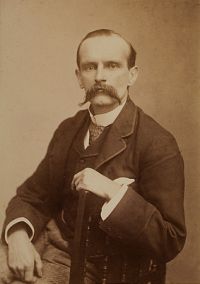
John R. Raphael,  Through unknown Nigeria (1914)

“ A few years ago nearly the whole of Northern Nigeria, with its 10,000,000 inhabitants, was more or less hostile: at the best, that portion in British occupation no more than sullenly acquiescent to the condition and quite “good enough” to eject the white intruders at a suitable chance. That stage has been passed, and, although a considerable territory remains merely nominally occupied, most of the country has been brought within thorough control. Warlike tribes, spending much of their lives in systematic exercise of arms and periodically engaged in severe battles, have been overthrown. ”
Source: Gutenberg

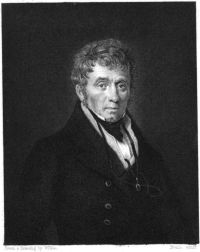
Portrait of E. D. Morel E. D. Morel,  Nigeria (1912)

“ I can imagine few things more distressing for a European in Northern Nigeria, gasping in the mid-day heat of the harmattan season, to have nothing between his eyes, as he gazes but beyond his verandah, but the glare of the red laterite soil and the parched-up grasses and little pink flowers springing up amidst it ”
Source: Gutenberg

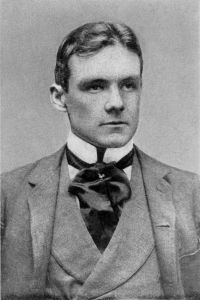
Portrait of E. D. Morel E. D. Morel,  Nigeria (1912)

“ A fact worth recording, perhaps, is that while the Hausa woman spins and the Hausa man weaves cotton, the Fulani woman does both the spinning and the weaving.
If the agricultural life of the Northern Nigerian peoples is a full one, the industrial life, especially in the northern provinces of the Protectorate, is equally so. It is an extraordinarily self-sufficing country at present, [120] and the peasant-cultivator and artisan are interdependent, the latter supplying the domestic wants and making the requisite implements for the former.
”
Source: Gutenberg

Get perspective with Kwize: daily news enlightened by great literature