“ The Queen, who seemed to have remained there for the sole purpose of mortifying and taunting the Earl of Leicester, showed herself as skilful in that female art of vengeance, as she was in the science of wisely governing her people. The train of state soon caught the signal, and as he walked among his own splendid preparations, the Lord of Kenilworth, in his own Castle, already experienced the lot of a disgraced courtier, in the slight regard and cold manners of alienated friends, and the ill-concealed triumph of avowed and open enemies. ”
Kenilworth
Definition and stakes
Kenilworth, a historic site tied to Elizabethan England, has inspired a wide range of literary works exploring themes of power, romance, and historical significance. Walter Scott’s novel Kenilworth (1822) dramatizes the political conflicts and personal feuds involving Robert Dudley, Earl of Leicester, and Queen Elizabeth I, merging historical narrative with emotional depth.
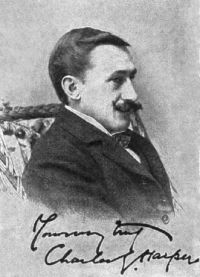
Other writers, such as Ouida, emphasize the castle’s connection to beauty and aristocratic charm, while Charles G. Harper contemplates its evolution from a romantic ruin into a contemporary town. Evelyn Everett-Green and W. Stebbing use it as a setting for suspense and sorrow, highlighting its lasting symbolic importance. These differing depictions illustrate Kenilworth as a focal point of historical remembrance and creative expression.
Quotes about “Kenilworth”
W. Stebbing, Sir Walter Ralegh: A Biography
“ He is not visible as pictured to the vivid fancy of the author of Kenilworth, the youthful aspirant, graceful, eager, slender, dark, restless, and supercilious, with a sonnet or an epigram ever ready on his lips to delight friends and sting enemies. ”
“ I see thine eye sparkle, and I know thy beard is not altogether so white as art has made it—THAT, at least, thou hast been able to transmute to silver. But mark me, this is no mate for thee. This caged bird is dear to one who brooks no rivalry, and far less such rivalry as thine, and her health must over all things be cared for. But she is in the case of being commanded down to yonder Kenilworth revels, and it is most expedient—most needful—most necessary that she fly not thither. ”