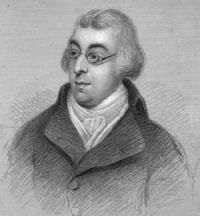
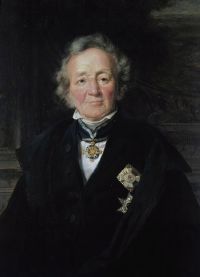
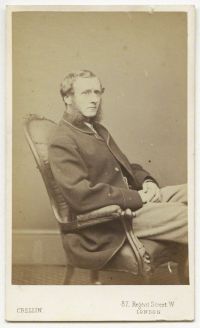
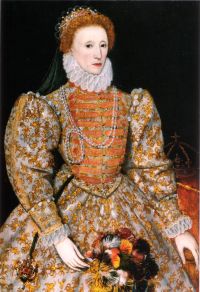
Queen Elizabeth I, a central figure of the Tudor era, is immortalized in art, such as the portrait possibly attributed to Nicholas Hilliard, symbolizing her enduring legacy. Historians and writers have long grappled with her complex persona, oscillating between admiration for her political acumen and critique of her strategic uncertainties. Eva March Tappan highlights her enigmatic nature, while Lucy Aikin extols her resilience and leadership during crises.
Charles Dickens captures the public’s hope for her reign, contrasting it with the turmoil of her predecessor. John Richard Green, however, underscores her duplicity, noting her skill in deception. John Lord, meanwhile, positions her as a trailblazing female ruler whose reign blended personal flaws with unprecedented national success. These varied perspectives collectively reveal Elizabeth as a sovereign whose legacy intertwines with the triumphs and contradictions of her age.