Kermanshah

Definition and stakes

Martin Henry Donohoe,  With the Persian Expedition

“ Kermanshah is a very old Persian city, and was known to writers and travellers from the earliest Christian times. It once was a flourishing industrial and commercial centre, but much of its prosperity and glory have been dimmed by a succession of political and economic vicissitudes. The town itself has a certain military importance. It is close to the Turkish frontier, and is equidistant from Bagdad, Ispahan, Teheran, and Tabriz. During the War Turks and Russians occupied it in turn, and the Turks had a consul and a consular guard here until their army was chased out of the province. ”
Source: Gutenberg

Martin Henry Donohoe,  With the Persian Expedition

“ The chief trade route in Western Persia passes through Kermanshah, and it is also an important market for transport mules, which are bred in the {105} district. In pre-war days as many as 200,000 pilgrims passed through Kermanshah each year on their way to and from Kerbela and the other Shi'ite shrines in the Vilayet of Bagdad. The bazaars were well stocked with British and foreign goods, and the local traders were reputed to be wealthy. But the War and the coming of the Turks were fatal to Kermanshah and its commerce ”
Source: Gutenberg

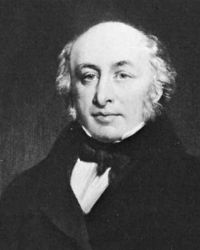
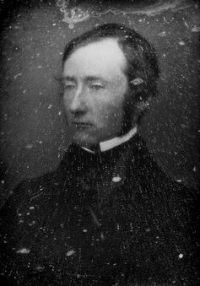
Portrait of Anthony Norris Groves Anthony Norris Groves,  Journal of a Residence at Bagdad

“ He fled from the plague at Tabreez, and arrived at Kermanshah four days after dear brother Pfander left it, who, by his conversations in the caravan, had left so distinct an impression, that he thought Mohammed a liar, that when he reached Kermanshah, he found his situation very difficult, nay dangerous, and he was obliged hastily to quit it. He went to Hamadan, and remained there three days in the house of a priest, from whence he proceeded to Ispahan. All the villages between Hamadan and Ispahan are Armenian. The journey takes about ten days. ”
Source: Gutenberg

Get perspective with Kwize: daily news enlightened by great literature