“ KING EDWARD. Edward Plantagenet, in the name of God, As with this armour I impale thy breast, So be thy noble unrelenting heart Walled in with flint of matchless fortitude, That never base affections enter there: Fight and be valiant, conquer where thou comest! Now follow, Lords, and do him honor to.DARBY. Edward Plantagenet, prince of Wales, As I do set this helmet on thy head, Wherewith the chamber of thy brain is fenst, So may thy temples, with Bellona’s hand, Be still adorned with laurel victory: Fight and be valiant, conquer where thou comest! ”
King Edward IV
Definition and stakes
The theme of “King Edward IV” has been addressed by authors such as T. F. Tout, John H. Haaren, William Hunt, Mark Noble and James Gairdner. It is often associated with terms like England, France, Vi, duke and Henry.
Quotes about “King Edward IV”
C. S. Dawe, King Edward's realm: Story of the making of the Empire (1902)
“ Our sovereign serves the same purpose in the empire that a keystone does in an arch, and that is to lock the whole fabric together. The recognition of this fact has led King Edward in assuming his title to call himself king, not only of the United Kingdom of Great Britain and Ireland, but also of the British Dominions beyond the seas. It has led him also to send his son the Prince of Wales, round the empire to carry his message of sympathy with his subjects on the loss of their beloved queen, and of thanks for the splendid way in which they had rallied round the old flag in South Africa. ”
J. Castell Hopkins, The Life of King Edward VII
“ Probably no wiser monarch ever reigned over a nation." To the New Brunswick press the local Premier, Hon. Douglas Hazen, said: "King Edward's reign was a comparatively short one, but the verdict of history will undoubtedly be that he was one of the wisest and greatest rulers that ever sat upon a throne. He took a most keen and active interest in all his country's institutions, endeavouring at all times to promote the well-being of his subjects and to show his appreciation of the British Dominions beyond the Seas." ”
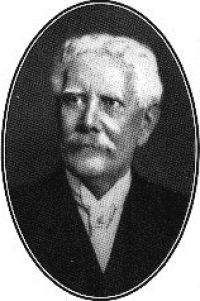
Related terms
Authors who wrote about “King Edward IV”
T. F. ToutJohn H. HaarenWilliam Hunt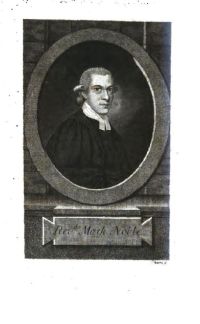 Mark NobleJames GairdnerJohn Richard Green
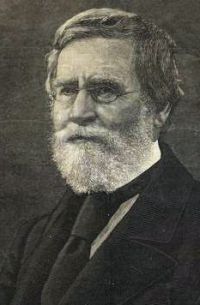 Jacob Abbott
 Alexandre DumasThomas Frederick Tout Thomas Malory
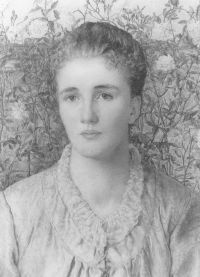 Louise CreightonThomas Finlayson HendersonJohn D. Carrick
 Gilbert Abbott À BeckettHilda T. SkaeJ. Franck BrightMary RobertsJ. Castell Hopkins
 Marie Belloc LowndesBaron Edward Bulwer Lytton Lytton
Mark NobleJames GairdnerJohn Richard GreenJacob AbbottAlexandre DumasThomas Frederick Tout Thomas MaloryLouise CreightonThomas Finlayson HendersonJohn D. CarrickGilbert Abbott À BeckettHilda T. SkaeJ. Franck BrightMary RobertsJ. Castell HopkinsMarie Belloc LowndesBaron Edward Bulwer Lytton Lytton