La Turbie

Definition and stakes

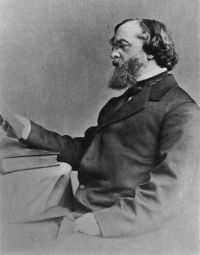
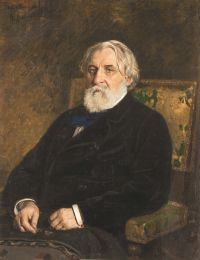
Portrait of Frederick Treves Frederick Treves,  The Riviera of the Corniche Road

“ The visitor to La Turbie, whether he arrives by the rack-and-pinion railway or by the mule-path, will assuredly make his way at once to the Belvedere to see that view which has moved the guide books to such unanimous rapture. He will probably be met on his way by a man—very foreign in appearance—who will wish to sell him an opera glass on one morning and a square of carpet on the next. ”
Source: Gutenberg

Portrait of Frederick Treves Frederick Treves,  The Riviera of the Corniche Road

“ THE ROMAN MONUMENT.
There are many ways of reaching La Turbie from the lower ground. For carriages there is the Cemetery road. It is so called, not because it is dangerous to motorists, but because it passes a cemetery. It winds in and out among the prehistoric fortifications of Mont des Mules and Mont Justicier, but is so irresolute, so capricious, so inclined to go any way rather than up hill to La Turbie that the route is exasperating. The track of the road is like the track of a drunken man who has become obstinate and deaf to all persuasions to go straight home.
”
Source: Gutenberg

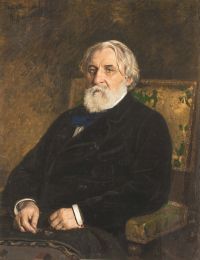
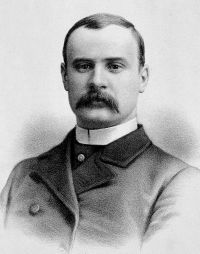
Portrait of Sabine Baring-Gould Sabine Baring-Gould,  A Book of the Riviera (1909)

“ It is only by the Corniche Road, when we have reached La Turbie, that we discern how specially privileged are Mentone and the Italian Riviera. We see before us an amphitheatre, with mountain stages, and the blue sea for arena. The mountains run up to 3,000 and 4,000 feet, and wall about the fertile bottom, the seats about the sea, sheltering them from every blast. The higher mountains of grey limestone are bare, but below all is rich with luxuriant vegetation. ”
Source: Wikisource

Get perspective with Kwize: daily news enlightened by great literature