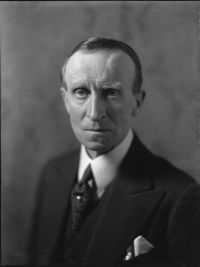
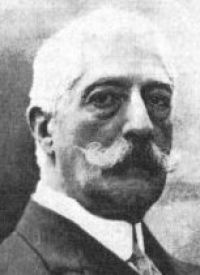
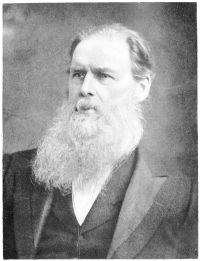
Laputa, a term evoking both a mythical floating island and a symbolic construct, has been explored across literature as a metaphor for detachment, idealism, or cultural contrast. From Jonathan Swift’s satirical vision of a floating academy in Gulliver’s Travels to John Buchan’s portrayal of a Christian evangelist navigating colonial tensions, the concept resonates in diverse contexts.
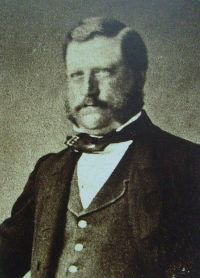
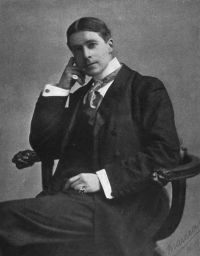
Authors like William Dudley Foulke and Justin H. McCarthy contrast Laputa as a realm of intellectual abstraction or a figure embodying marginalized voices, while others, such as Charles John Cutcliffe Wright Hyne, ground it in the rugged realities of Lapland’s people. These varied depictions reveal Laputa as a lens to examine human folly, spiritual pursuit, and the interplay between civilization and wilderness.
 William Dudley Foulke,
Masterpieces of the masters of fiction
(1912)
William Dudley Foulke,
Masterpieces of the masters of fiction
(1912)