Lewis gun

Definition and stakes

A. Russell Bond,  Inventions of the Great War

“ But a machine-gun did not have to be housed in a fort, particularly a light gun of the Lewis type. To be sure, the Lewis gun is a little heavy to be used as a rifle, but it could easily be managed with a rest for the muzzle in the crotch of a tree, and a strong man could actually fire the piece from the shoulder. The light machine-gun could go right along with a charging body of troops and do very efficient service, particularly in fighting in a town or village, but it had to be kept moving or it would be a target for the artillery. ”
Source: Gutenberg

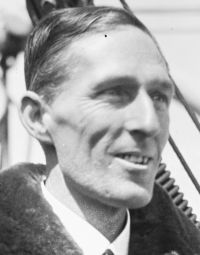
Portrait of Philip Gibbs Philip Gibbs,  From Bapaume to Passchendaele, 1917

“ Having used up all his Lewis-gun ammunition upon marching troops, one lad fired his Very-lights, his signal-rockets, at the next group of men he saw. They flew at field-gunners and put them to flight, at heavy guns crawling along the roads on caterpillar wheels, at transport wagons, motor-lorries, and one motor-car, whose passengers, if they live, will never forget that sudden rush of wings four feet overhead, with a spasm of bullets about them. ”
Source: Gutenberg

Herbert W. McBride,  The Emma Gees

“ Now, (p. 051) however, the Lewis gun, being light and inconspicuous, can be carried by advancing troops and used effectively in the attack without its operators suffering excessively, and at the same time it has been demonstrated that the true machine gun, of the heavier type, mounted on its firm base, can effectively cooperate with the artillery in maintaining protective or other barrages and in delivering harassing fire upon the enemy at points behind his front line. ”
Source: Gutenberg

Get perspective with Kwize: daily news enlightened by great literature