Maximus the Confessor

Definition and stakes

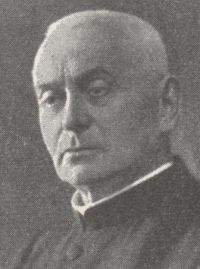
Portrait of Philip Schaff Philip Schaff,  Nicene and Post-Nicene Fathers… (1885)

“ Thus did the bishops detail successively each of the allegations against Athanasius, with the same art to which sophists resort when they desire to heighten the effect of their calumnies. Many of the priests, however, who were present at the trial, perceived the injustice of the accusation. It is related that Paphnutius, the confessor, [5]
who was present at the Synod, arose, and took the hand of Maximus, the bishop of Jerusalem, to lead him away, as if those who were confessors, and had their eyes dug out for the sake of piety, ought not to participate in an assembly of wicked men.
”
Source: Wikisource

1911 Encyclopædia Britannica, Volume 17… (1911)

“ In 662 he was again brought to Constantinople and was condemned by a synod to be scourged, to have his tongue cut out by the root, and to have his right hand chopped off. After this sentence had been carried out he was again banished to Lazica, where he died on the 13th of August 662. He is venerated as a saint both in the Greek and in the Latin Churches. Maximus was not only a leader in the Monothelite struggle but a mystic who zealously followed and advocated the system of Pseudo-Dionysius, while adding to it an ethical element in the conception of the freedom of the will. ”
Source: Wikisource

Get perspective with Kwize: daily news enlightened by great literature