Mrs. Armine

Definition and stakes

Earl of Beaconsfield Benjamin Disraeli,  Henrietta Temple: A Love Story

“ Such happiness, it is said, is not for us. And I wished to show you that I have a spirit that can struggle with adversity, and a soul prescient of overwhelming it.’
‘You have a spirit I reverence, and a soul I worship, nor is there a happier being in the world this moment than Ferdinand Armine. With such a woman as you every fate must be a triumph. You have touched upon a chord of my heart that has sounded before, though in solitude. It was but the wind that played on it before; but now that tone rings with a purpose. This is glorious sympathy. Let us leave Armine to its fate.
”
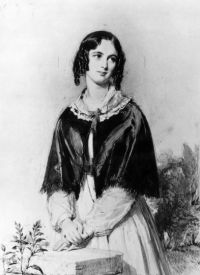
Source: Gutenberg

Earl of Beaconsfield Benjamin Disraeli,  Henrietta Temple: A Love Story

“ You will be a man when you come back, and be ashamed to love your mother. Promise me now,’ said Lady Armine, with extraordinary energy, ‘promise me, Ferdinand, you will always love me. Do not let them make you ashamed of loving me. They will joke, and jest, and ridicule all home affections. You are very young, sweet love, very, very young, and very inexperienced and susceptible. Do not let them spoil your frank and beautiful nature. Do not let them lead you astray. Remember Armine, dear, dear Armine, and those who live there. ”
Source: Gutenberg

Earl of Beaconsfield Benjamin Disraeli,  Henrietta Temple: A Love Story

“ Glastonbury; and Glastonbury, who was somewhat of a physician, was called in, and was obliged to assure Lady Armine that Miss Grandison was only suffering from a cold and only required repose. A warm friendship subsisted between Lady Armine and her niece. She had always been Katherine’s favourite aunt, and during the past year there had been urgent reasons why Lady Armine should have cherished this predisposition in her favour. Lady Armine was a fascinating person, and all her powers had been employed to obtain an influence over the heiress. ”
Source: Gutenberg

Get perspective with Kwize: daily news enlightened by great literature