Mrs. Willoughby

Definition and stakes

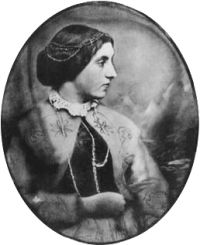
Portrait of Jane Austen Jane Austen,  Sense and Sensibility (1811)

“ Willoughby, very blameable,” said Elinor, while her voice, in spite of herself, betrayed her compassionate emotion; “you ought not to speak in this way, either of Mrs. Willoughby or my sister. You have made your own choice. It was not forced on you. Your wife has a claim to your politeness, to your respect, at least. She must be attached to you, or she would not have married you. To treat her with unkindness, to speak of her slightingly is no atonement to Marianne—nor can I suppose it a relief to your own conscience.” ”
Source: Wikisource

Various,  ../../ (1937)

“ There was the silken slur of water washing the rode, and in another moment Willoughby was crowding the Chinese on the steps, for the water parted and a crested head was upreared, water dripping from fanged jaws, red tongue quivering, large glassy eyes regarding the two men on the steps with malevolent glaring. Coils of a serpent body upreared. Willoughby saw the great scales like iridescent metal plates. There was that threshing hiss of water, tremendous in the cavern walls. Willoughby's heart was pounding in his throat and wrist. Fear paralyzed him. ”
Source: Wikisource

Agnes Giberne,  Miss Devereux, spinster (1893)

“ Mrs. Willoughby, far from accepting life as she found it, expected everything to bend to her will. Circumstances, in the shape of yielding parents, an indulgent husband, a devoted and easy brother, a submissive niece, ample means, and hosts of admiring friends, had fostered to excess a naturally wilful tendency. At the age of seventy-eight, Mrs. Willoughby could brook no contradiction. Yet she knew how to make herself ineffably charming.
Sybella was always "the child" to Mrs. Willoughby. Nothing had ever been left in her hands.
”
Source: Gutenberg

Get perspective with Kwize: daily news enlightened by great literature