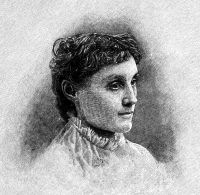
The New Year, a temporal threshold signifying change and renewal, has long fascinated literary minds as a symbol of both continuity and transformation. Authors such as Ella Wheeler Wilcox reflect on its cyclical nature, portraying it as a recurring rhythm of time’s passage, while Edith M. Thomas personifies it as an eternal force beyond human perception.
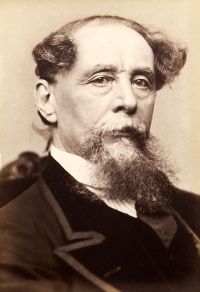
Caris Brooke mourns the departure of the old year, depicting renewal as a collective journey, and Charles Dickens contrasts solemnity with the festive expectation of rebirth. Jean Paul, meanwhile, connects it to the unyielding progression of destiny. These diverse viewpoints reveal the New Year as a reflection of human hopes, regrets, and the ongoing effort to harmonize impermanence with enduring truth.
 Ella Wheeler Wilcox,
Poems of Cheer — The Year
(1914)
Ella Wheeler Wilcox,
Poems of Cheer — The Year
(1914)