Ojibwa people

Definition and stakes

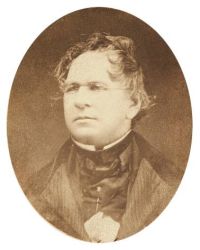
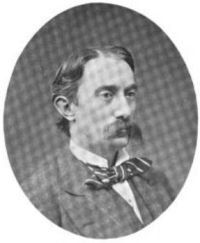
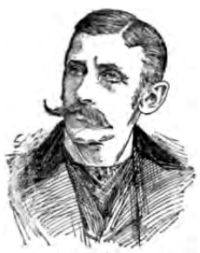
Portrait of Warren King Moorehead Warren King Moorehead,  The American Indian in the United States…

“ The sole saving grace is the natural cheerfulness and optimism of the Ojibwa people, as a whole. Many of them are discouraged, and most of them will not farm or work, for the reason that the farming and working in the past resulted in those who were industrious being disciplined, (see page 68) and those who were indolent being rewarded. No white man or woman would work under similar circumstances. ”
Source: Gutenberg

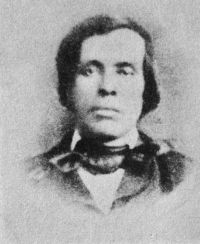
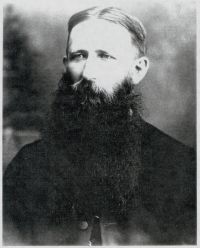
Portrait of Walter James Hoffman Walter James Hoffman,  The Mide'wiwin or "Grand Medicine Society" of the Ojibwa

“ The Ojibwa is one of the largest tribes of the United States, and it is scattered over a considerable area, from the Province of Ontario, on the east, to the Red River of the North, on the west, and from Manitoba southward through the States of Minnesota, Wisconsin, and Michigan. This tribe is, strictly speaking, a timber people, and in its westward migration or dispersion has never passed beyond the limit of the timber growth which so remarkably divides the State of Minnesota into two parts possessing distinct physical features. ”
Source: Gutenberg

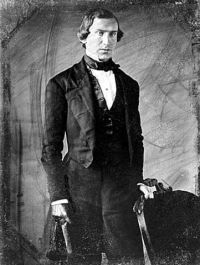
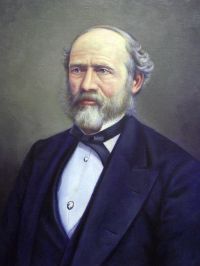
Portrait of Henry Rowe Schoolcraft Henry Rowe Schoolcraft,  Personal Memoirs of a Residence of Thirty Years with the Indian Tribes on the American Frontiers

“ Devoted the day to the Indian language. It scarcely seems possible that any two languages should be more unlike, or have fewer points of resemblance, than the English and Ojibwa. If an individual from one of the nomadic tribes of farther Asia were suddenly set down in London, he could hardly be more struck with the difference in buildings, dress, manners, and customs, than with the utter discrepance in the sounds of words, and the grammatical structure of sentences. The Ojibwa has this advantage, considered as the material of future improvement ”
Source: Gutenberg

Get perspective with Kwize: daily news enlightened by great literature