Pandyas

Definition and stakes

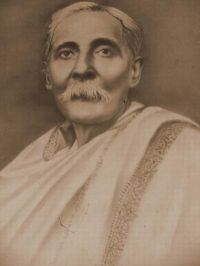
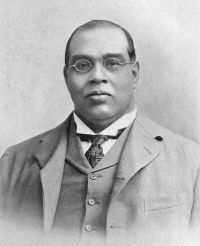
Portrait of Romesh Chunder Dutt Romesh Chunder Dutt,  History of India (1906)

“ Her descendants rule over 300 cities and command an army of 150,000 foot and 500 elephants."
Such is the half-mythical account which Megasthenes gives us of the Pandyas, who were the ruling nation in the extreme south of India. These Pandyas have a history which is remarkable.
The Yadavas, who, under the leadership of Krishna, left Mathura and settled in Dwarka in Gujarat, did not flourish there long. They fell fighting among themselves, and the remainder left Dwarka by sea. It is believed that they came to Southern India, where they founded a new kingdom.
”
Source: Wikisource

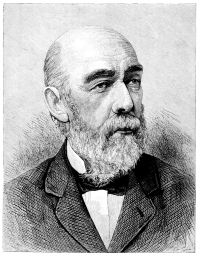
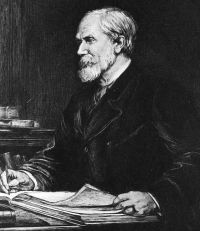
Portrait of James Fergusson James Fergusson,  History of Indian and Eastern Architecture

“ They have no traditions which point to any seat of their race out of India, or of their having migrated from any country with whose inhabitants they can claim any kindred. So far as they know, they are indigenous and aboriginal. The utmost extent to which even their traditions extend is to claim for their leading race of kings—the Pandyas—a descent from Arjuna, one of the heroes of the ‘Mahabharata.’ He, it is said, when on his travels, married a princess of the land, and she gave birth to the eponymous hero of their race, and hence their name. ”
Source: Gutenberg

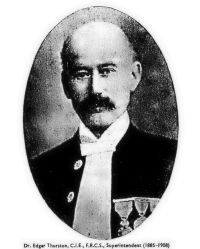
Portrait of Edgar Thurston Edgar Thurston,  Castes and Tribes of Southern India (1909)

“ The Vellālas speak a pure dialect of Tamil, and no other language. I have not heard of anything extraordinary in the customs prevailing among them, or of any peculiarities pointing to a non-Tamil origin . . . . With regard to the assertion so commonly made that the Pāndyas belonged to the Vellāla caste, it is observable that tradition is at issue with it, and declares that the Pāndyas proper were Kshatriyas: but they were accustomed to marry wives of inferior castes as well as and in addition to wives of their own caste ”
Source: Wikisource

Get perspective with Kwize: daily news enlightened by great literature