Hastinapur

Definition and stakes

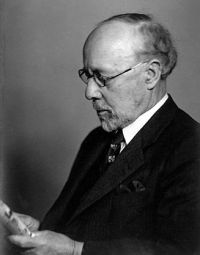
Portrait of Kate Milner Rabb Kate Milner Rabb,  National Epics

“ Not long after his return to Hastinapur, Yudhi-sthira heard that the old Raja and his wife had lost their lives in a jungle-fire; and soon after this, tidings came to him of the destruction of the city of the Yadavas, the capital of Krishna, in punishment for the dissipation of its inhabitants.
Yudhi-sthira's reign of thirty-six years had been a succession of gloomy events, and he began to grow weary of earth and to long for the blessings promised above. He therefore determined to make the long and weary pilgrimage to Heaven without waiting for death.
”
Source: Gutenberg

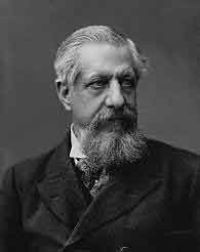
H. A. Guerber,  The Book of the Epic: The World's Great Epics Told in Story

“ As long as Pandu sojourned in the Himalayas, the blind prince reigned in his stead, but when he died, his surviving widow brought to the capital (Hastinapur) her five divine sons, the Pandavs. There the blind uncle had them brought up with their cousins, the hundred Kurus (or Kauravas) , with whom, however, they were never able to live in perfect peace. ”
Source: Gutenberg

The Mahabharata of Krishna-Dwaipayana Vyasa…

“ King Dhritarashtra, hearing that those heroes had neared the capital sent out the Kauravas to receive them. They who were thus sent out were, O Bharata, Vikarna of the great bow, and Chitrasena, and Drona that foremost of warriors, and Kripa of Gautama’s line. Surrounded by these, those mighty heroes, their splendour enhanced by that throng slowly entered the city of Hastinapura. The whole city became radiant, as it were, with the gay throng of sight-seers animated by curiosity. Those tigers among men gladdened the hearts of all who beheld them. ”
Source: Gutenberg

Get perspective with Kwize: daily news enlightened by great literature