Pauline epistles

Definition and stakes

Cuthbert H. Turner, Francis C. Burkitt , George B. Gray, John F. Stenning, Kirsopp Lake, Samuel R. Driver & William Sanday,  1911 Encyclopædia Britannica (1910)

“ The above sketch of the growth and general character of the Pauline Epistles is based upon the hypothesis that all thirteen are genuine. But some discrimination should be made in detail. The scepticism which challenges the whole collection may be set aside as radically perverse and unreasonable. Apart from this, the keen criticism of modern times has fastened especially upon two groups:—2 Thessalonians ”
Source: Wikisource

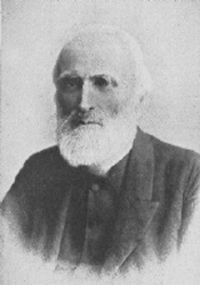
Portrait of Washington Gladden Washington Gladden,  Who Wrote the Bible? : a Book for the People

“ The genuineness of several of these books has been assailed by modern criticism. The authorship of Paul has been disputed in the cases of nine out of the thirteen epistles. The Epistle to the Galatians, that to the Romans, and the two to the Corinthians are undisputed; all the rest have been spoken against. I have attended to these criticisms; but the reasons urged for denying the Pauline authorship of these epistles seem to me in many cases far-fetched and fanciful in the extreme. ”
Source: Gutenberg

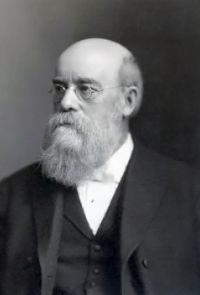
Portrait of Kirsopp Lake Kirsopp Lake,  Landmarks in the History of Early Christianity

“ A second possibility is that the later epistles are not Pauline but are the work of some of Paul's followers. This is also possible, and from the nature of the case scarcely admits of proof or of refutation. The third possibility was suggested in 1877 by H. J. Holtzmann, who thought that Ephesians represents the work of the second generation, and that Colossians was a genuine epistle interpolated by the author of Ephesians. It is said sometimes that this is an incredibly complicated hypothesis. ”
Source: Gutenberg

Get perspective with Kwize: daily news enlightened by great literature