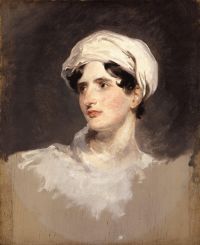
Perkin Warbeck, an impostor who claimed to be Richard of Shrewsbury, Duke of York—one of the enigmatic "Princes in the Tower"—emerged as a significant threat to Henry VII’s Tudor dynasty. His uncertain identity and the unresolved mystery surrounding Richard’s fate inspired both genuine support and political opportunism. Mary Shelley, in The Fortunes of Perkin Warbeck, explores his psychological struggles, portraying his transformation into the impostor as a sacrifice of personal longing for political survival.
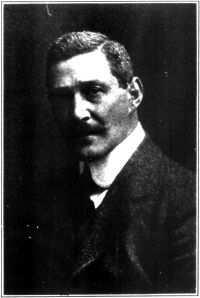
Albert Kinross, in The Collaborators, draws a comparison between Warbeck’s risky diplomatic efforts and his own solitary literary pursuit, redefining the pretender as a tragic figure driven by ambition. Anonymous sources, such as those in Celebrated Claimants, highlight Warbeck’s physical charm and invented nobility, emphasizing how his image was constructed to capitalize on existing societal tensions. These differing viewpoints all point to the historical fact that Warbeck’s claim, though ultimately exposed as false, strained Henry VII’s finances and undermined early Tudor authority, demonstrating the powerful interaction between myth and power in post-medieval England.