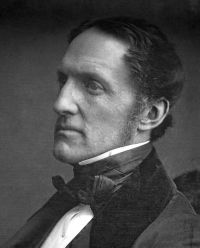
Peter III of Aragon

Definition and stakes

1911 Encyclopædia Britannica, Volume 21… (1911)

Peter III., king of Aragon (1236-1286) , son of James the Conqueror, and his wife Yolande, daughter of Andrew II. of Hungary, was born in 1236. Having married Constance, daughter of Manfred of Beneventum, he came forward as the representative of the claims of the Hohenstaufen in Naples and Sicily against Charles, duke of Anjou. Peter began the long strife of the Angevine and Aragonese parties in southern Italy. His success in conquering Sicily earned him the surname of “the Great.”
Source: Wikisource

Alban Butler The Lives of the Fathers, Martyrs…

Peter, in the midst of the court of the king at Barcelona, [1] where the kings of Aragon resided, led the life of a recluse, practising the austerities of a cloister. He gave no part of his time to amusements, but spent all the moments which the instruction of his pupil left free, in holy prayer, meditation, and pious reading. The Moors at that time were possessed of a considerable part of Spain, and great numbers of Christians groaned under their tyranny in a miserable slavery both there and in Africa. Compassion for the poor had always been the distinguishing virtue of Peter.
Source: Gutenberg

1911 Encyclopædia Britannica, Volume 21… (1911)

Of no man of the 14th century can it be more truly said that his life was a warfare on earth. He had first to subdue his nobles, and to reannex the Balearic Islands to the crown of Aragon. When he had made himself master at home, he had to carry on a long and fierce contest with his namesake Peter the Cruel of Castile, which only terminated when Henry of Trastamara succeeded, largely with Aragonese help, in making himself king of Castile in 1369. Peter succeeded in making himself master of Sicily in 1377, but ceded the actual possession of the island to his son Martin.
Source: Wikisource

Get perspective with Kwize: daily news enlightened by great literature