Philip II Augustus

Definition and stakes

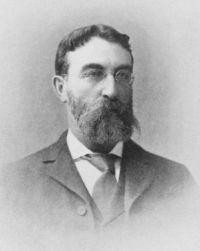
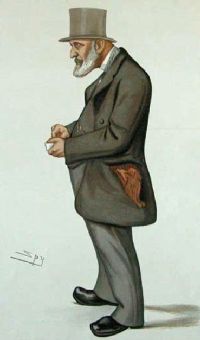
Portrait of Charles Homer Haskins Charles Homer Haskins,  The Normans in European History (1915)

“ Philip Augustus was not an heroic figure, and to the men of his age he was probably less sympathetic than his adversary Richard. Vigorous and enduring, a generous liver, quick-tempered but slow to cherish hatred, Philip was preëminently the cautious, shrewd, unscrupulous, far-sighted statesman. He could fight when necessary, but he had no great personal courage and excelled in strategy and prevision rather than in tactics or leadership in the field, and he preferred to gain his ends by the arts of diplomacy. The quality upon which all his contemporaries dwell is his wisdom. ”
Source: Wikisource

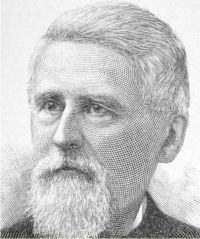
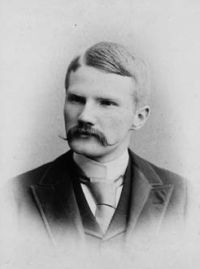
John G. Edgar,  Runnymede and Lincoln Fair: A Story of the Great Charter

“ It would seem that the darling object of Philip Augustus was to make France the great monarchy of Europe; and he was bent, therefore, on humbling the pride and appropriating the Continental territory of the Plantagenets. In the days of Henry and of Richard, Philip’s efforts had been almost barren of results. But against an adversary like John he had little doubt of achieving substantial successes, and of being able to seize the territory which had gone from the kings of France with Eleanor of Guienne. ”
Source: Gutenberg

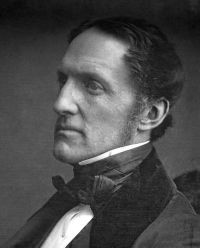
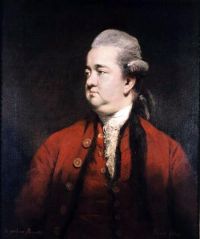
J. N. Larned,  History for ready reference, Volume 2…

“ But the scene quite changed when Philip Augustus, son of Louis VII., came upon the stage [A. D. 1180] . No prince comparable to him in systematic ambition and military enterprise had reigned in France since Charlemagne. From his reign the French monarchy dates the recovery of its lustre. He wrested from the count of Flanders the Vermandois (that part of Picardy which borders on the Isle of France and Champagne) , and, subsequently, the County of Artois. But the most important conquests of Philip were obtained against the kings of England. ”
Source: Gutenberg

Get perspective with Kwize: daily news enlightened by great literature