Philippians

Definition and stakes

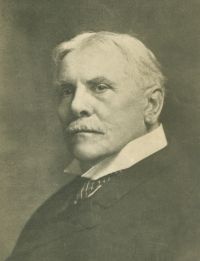
Portrait of H. C. G. Moule H. C. G. Moule,  Philippian Studies

“ In the particular case of St Paul and the Philippians it was indeed a remarkable phenomenon. Here on the one side was a man who, not very many years before, had been the devotee of the Pharisaic creed, a creed which tended powerfully not to expand but to annihilate every sympathy which could touch "the Gentiles." Here on the other side were people whose life and thought had been moulded in the proud political and national ideas of a Roman colonia; no kindly atmosphere for the growth of affections which should be at once intense and comprehensive. ”
Source: Gutenberg

George Barlow,  The Preacher's Complete Homiletic Commentary of the Books of the Bible…

“ The Philippians were to be a light and guide to their fellow-citizens, a people made up of Jew and pagan, moved by tortuous and perverse impulses. Nothing would please them: give them one argument, they cry for another; tell them of the simplicity of the Gospel, they prefer you should dwell on its mysteries; speak of its power, they ask you to expound its charity. The children of God are to society everywhere what the heavenly luminaries are to the world—they are to diffuse light, and guide the way to a better life. ”
Source: Gutenberg

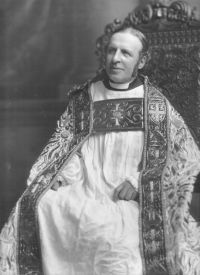
Portrait of H. C. G. Moule H. C. G. Moule,  Philippian Studies

“ Looking at the other Epistles, each with its own divine and also deeply human characteristics, we find Philippians more peaceful than Galatians, more personal and affectionate than Ephesians, less anxiously controversial than Colossians, more deliberate and symmetrical than Thessalonians, and of course larger in its applications than the personal messages to Timothy, Titus, and Philemon. ”
Source: Gutenberg

Get perspective with Kwize: daily news enlightened by great literature