Pompey the Great

Definition and stakes

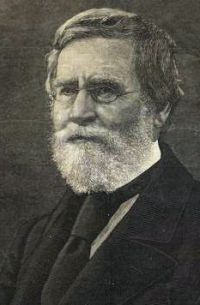
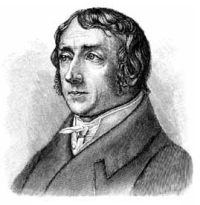
Portrait of Barthold Georg Niebuhr Barthold Georg Niebuhr,  Niebuhr's lectures on Roman history… (1875)

“ It is very difficult to speak at all decidedly of Pompey, as he is not one of those characters, like Marius, Sylla, Sertorius, or Cæsar, the outlines of which are distinct and marked; it is even hard to say whether he was a great general or not. He was one of those whose high position depends on their having been, if not altogether, at least to a certain degree favoured by fortune; he had not sufficient strength and greatness of soul to display the same bearing throughout a whole life, even in misfortune itself. ”
Source: Gutenberg

Portrait of Velleius Paterculus Velleius Paterculus,  Compendium of the History of Rome… (1852)

“ Thus Pompey, victorious over every nation to which he had gone, grown greater than the wish of his countrymen or even than his own, and having in every way exceeded the measure of human fortune, returned to Italy. An opinion that had prevailed rendered his return extremely popular; for most people had asserted that he would not come into the city without his army, and that he would limit the liberty of the people by his own will. The more strongly they were affected by this apprehension, the more grateful was the unassuming manner in which that great commander returned ”
Source: Wikisource

Great Men and Famous Women. Vol…

“ Clearly seeing the necessity for personal government, at a time when his own services and distinctions were not such as to entitle him to aspire to it, Cæsar did his best to secure it for Pompey, then far the foremost man in Rome, by strenuously supporting measures which virtually placed the empire at his absolute disposal for an indefinite period. A fairly good soldier, but a most vain, unreliable, and incompetent statesman, Pompey after five years let these powers slip through his hands. ”
Source: Gutenberg

Get perspective with Kwize: daily news enlightened by great literature