Prince Andrew Kuragin

Definition and stakes

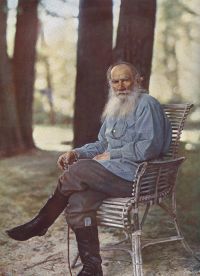
Portrait of Leo Tolstoy Leo Tolstoy,  War and Peace (1952)

“ As soon as Prince Andrew opened his eyes, the doctor bent over, kissed him silently on the lips, and hurried away.
After the sufferings he had been enduring, Prince Andrew enjoyed a blissful feeling such as he had not experienced for a long time. All the best and happiest moments of his life—especially his earliest childhood, when he used to be undressed and put to bed, and when leaning over him his nurse sang him to sleep and he, burying his head in the pillow, felt happy in the mere consciousness of life—returned to his memory, not merely as something past but as something present.
”
Source: Wikisource

graf Leo Tolstoy,  War and Peace

“ He will not devise or undertake anything,” thought Prince Andrew, “but he will hear everything, remember everything, and put everything in its place. He will not hinder anything useful nor allow anything harmful. He understands that there is something stronger and more important than his own will—the inevitable course of events, and he can see them and grasp their significance, and seeing that significance can refrain from meddling and renounce his personal wish directed to something else. ”
Source: Gutenberg

graf Leo Tolstoy,  War and Peace

“ Natásha listened with concentrated attention, trying but failing to take in the meaning of his words.
“Hard as this year which delays my happiness will be,” continued Prince Andrew, “it will give you time to be sure of yourself. I ask you to make me happy in a year, but you are free: our engagement shall remain a secret, and should you find that you do not love me, or should you come to love...” said Prince Andrew with an unnatural smile.
”
Source: Gutenberg

Get perspective with Kwize: daily news enlightened by great literature