Prison of Vincennes

Definition and stakes

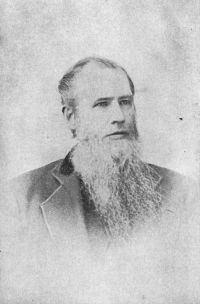
Portrait of Tighe Hopkins Tighe Hopkins The Dungeons of Old Paris

Yes, Vincennes was the State prison, the prison for audacity in high places, for genius that could lead the general mind into paths of danger to the throne. The fetters fashioned there were for a Prince de Condé to wear, a Henri de Navarre, a Maréchal de Montmorency, a Bassompierre or a Cardinal de Retz, a Duc de Longueville or a Prince Charles Edward, a La Môle and a Coconas, a Rantzau or a Prince Casimir, a Fouquet or a Duc de Lauzun, a Louis-Joseph de Vendôme, a Diderot or a Mirabeau, a d'Enghien.
Source: Gutenberg

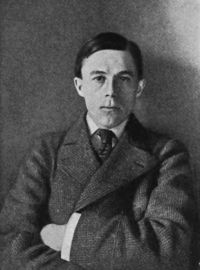
Portrait of Tighe Hopkins Tighe Hopkins The Dungeons of Old Paris

At Vincennes he served his apprenticeship in the three branches of his calling—turnkey, torturer, and hangman. Like the callow barber-surgeon of the age, he bled at random, and used the knife at will; and his savage novitiate counted as so much zealous service to the State.
But Vincennes wears a greater colour than the Bastille. It stood to the larger and more famous fortress as the noblesse to the bourgeoisie. Vincennes was the great prison, and the prison of the great. Talent or genius might lodge itself in the Bastille, and often so did, very easily
Source: Gutenberg

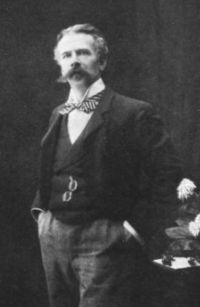
Portrait of Tighe Hopkins Tighe Hopkins The Dungeons of Old Paris

The feasts were organised nightly in one cell or another, Du Puits and the Marquis furnishing the table from the ample larder of the governor. Healths were being drunk one night, when the door was rudely opened, and the guests found themselves covered by the muskets of the guard. An unamiable prisoner whose company they had declined had exposed the gay conspiracy, and there were no more supper parties.
The last years of Vincennes as a State prison have little of the interest either of romance or of tragedy. Its fate in this respect was settled by Mirabeau's lettres de cachet.
Source: Gutenberg

Get perspective with Kwize: daily news enlightened by great literature