Provençal people

Definition and stakes

contessa Evelyn Lilian Hazeldine Carrington Martinengo-Cesaresco,  Essays in the Study of Folk-Songs…

“ Yet if it be true that the character of a nation is asserted in its songs, it must be owned that the songs of Provence speak favourably for the Provençal people. They say that they are a people who have a steady and abiding sympathy with honest men and virtuous women. They say further that rough and ruthless though they may be when their blood is stirred, yet have they a pitiful heart. The Provençal singer is slow to utterly condemn; he grasps the saving inconsistencies of human nature ”
Source: Gutenberg

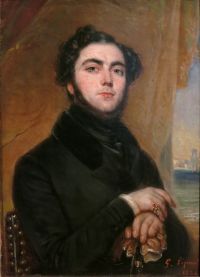
Portrait of Alphonse Daudet Alphonse Daudet,  Numa Roumestan (1900)

“ These tiresome, empty tirades had at least the spice of being uttered in the strangest and most amusing kind of language, in which an old-school stilted French, the French of books of rhetoric, was mixed with the oddest provincialisms. Aunt Portal detested the Provençal tongue, that dialect so admirable in color and sonorousness, which only the peasants and people talk, which contains an echo of Latin vibrating across the deep blue sea. She belonged to the burgher class of Provence who translate pécaïré by péchère (sinner) and fancy they talk correctly. ”
Source: Gutenberg

Charles Alfred Downer,  Frédéric Mistral

“ The poem clearly symbolizes the Provençal renascence; Calendau typifies the modern Provençal people, rising to an ideal life and great achievements through the memory of their traditions, and this ideal, this memory, are personified in the person of the beautiful Princess.
The time of the action is the eighteenth century, before the Revolution. This is a deliberate choice of the poet who has a temporal symbolism in mind. "I shall thus combine in my picture the three aspects of Provence on the eve of the Revolution: in the background, the noble legends of the past
”
Source: Gutenberg

Get perspective with Kwize: daily news enlightened by great literature