Pátzcuaro

Definition and stakes

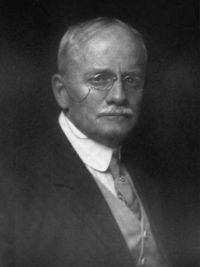
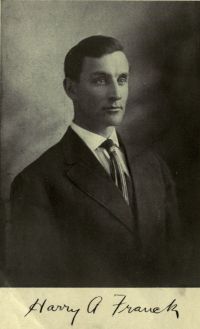
Portrait of Harry Alverson Franck Harry Alverson Franck,  Tramping Through Mexico, Guatemala and Honduras

“ Patzcuaro is one of the laziest, drowsiest, most delightful pimples on the earth to be found in a long search. It has little in common with Uruapan. Here is not a suggestion of the tropics, but just a large Indian village of mud and adobe houses and neck-breaking, cobbled streets, a town older than time, sown on and about a hillside backed by pine-treed peaks, with several expanses of plazas, all grown to grass above their cobbled floors, shaded by enormous ash-like trees with neither flowers, shrubs, nor fountains to detract from their atmosphere of roominess. ”
Source: Gutenberg

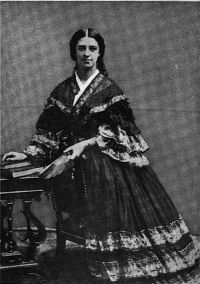
Portrait of Susan Hale Susan Hale,  The Story of Mexico (1889)

“ The Place of Delights, as the name of Patzcuaro is translated from the Tarascan language of its old inhabitants, is a lonely little city now, containing no more than eight thousand natives, many of whom are descended from the first inhabitants, and speak the Tarascan tongue. The town is built on hilly broken ground, with narrow crooked streets, from which glimpses are constantly to be had of the beautiful lake stretching out below. Abundant springs water the town and flow through the fountains in the market-place, an open square surrounded by noble ash-trees. ”
Source: Wikisource

Alfred Ronald Conkling,  Appleton's Guide to Mexico (1884)

“ Tourists should hire saddle-horses in Pátzcuaro. If there are two or three in the party, it will be expedient to take a man-servant or mozo. Three horses and a mozo can be obtained at the rate of $4 daily, and the price of stabling. The cost of feeding each horse will be about one real a day. If the traveler wishes to go alone, and is able to talk in Spanish, a mozo will be unnecessary, although useful.
Leaving the quaint town of Pátzcuaro, the road ascends for about two miles, when a densely-wooded plateau is reached.
”
Source: Wikisource

Get perspective with Kwize: daily news enlightened by great literature