Richard Duke of York

Definition and stakes

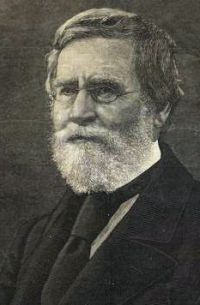
Sir Clements R. Markham Richard III: His Life & Character…

On July 22, 1466, the bodies of Richard Duke of York, and of his son, Edmund Earl of Rutland, were taken from their temporary resting place at Pomfret, and placed in a chariot covered with black velvet, richly embroidered with cloth of gold. At the feet of the Duke stood the figure of an angel clothed in white, bearing a crown of gold, to signify that of right he was a king. The chariot was drawn by four horses trapped to the ground. Every horse carried a man, and upon the foremost rode Sir John Skipwith, who bore the Duke's banner displayed.
Source: Gutenberg

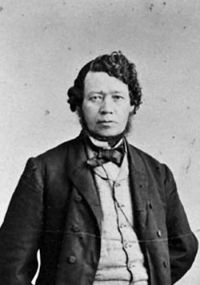
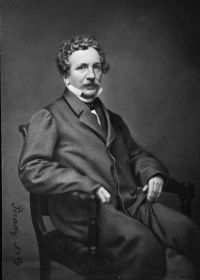
Portrait of Thomas D'Arcy McGee Thomas D'Arcy McGee A Popular History of Ireland : from the Earliest Period to the Emancipation of the Catholics…

In the struggle of dynasties from which England suffered so severely during the fifteenth century, the drama of ambition shifted its scenes from London and York to Calais and Dublin. The appointment of Richard, Duke of York, as Lord Lieutenant, in 1449, presented him an opportunity of creating a Yorkist party among the nobles and people of "the Pale."
Source: Gutenberg

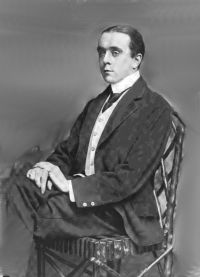
Reginald R. Sharpe London and the Kingdom - Volume 1

A report was accordingly blazed abroad that Richard, Duke of York, brother of King Edward V, was yet alive, not having been murdered in the Tower, as had been supposed; and a man called Perkin Warbeck or Warboys, a native of Tournay, assumed the name of Richard Plantagenet and succeeded in getting a large number of people in Ireland and Scotland to believe that in his person they in fact saw Richard, Duke of York, the rightful heir to the crown.
Source: Gutenberg

Get perspective with Kwize: daily news enlightened by great literature