Senate of the Roman Empire

Definition and stakes

John Lord The Old Roman World : the Grandeur and Failure of Its Civilization

For five hundred years there was neither anarchy nor military despotism. If every citizen knew how to fight, every citizen also knew how to govern, to submit. No consul dared to exceed his trust; no general, till Caesar, ventured to cross the Rubicon. The Roman Senate never lost its dignity— a supreme body which controlled all public interests. The Romans were sufficiently wise to bend to circumstances. Though proud, the patricians made concessions to plebeians whenever it was necessary. The right of citizenship was gradually extended throughout the Empire.
Source: Gutenberg

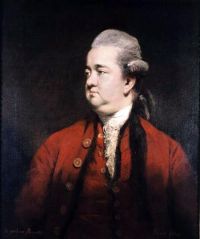
Portrait of Richard Claverhouse Jebb Richard Claverhouse Jebb Essays and Addresses (1907)

As Mr Froude says, the Senate was "in theory" a real aristocracy. But we must remember that it had not always been so "in theory" alone. During the most brilliant period of Roman history it had been a real aristocracy in fact. Government by the Senate was the result of the struggle between patricians and plebeians; and it was the Senate that ruled Rome from the end of the Samnite wars to the conquest of Macedonia—that is, during the earlier and more arduous part of her progress from Italian supremacy to universal empire.
Source: Wikisource

Frank Frost Abbott Roman politics (1923)

The tradition of the city-state had been violated and the prestige of the senate had been lowered when Julius Caesar admitted provincials to the senate. This revolutionary precedent was freely followed by emperors during the second half of the first century. This transformation of the Roman senate into a body made up of representatives drawn from all parts of the empire was part of the larger change of the Roman imperium into an international world-state.
Source: Gutenberg

Get perspective with Kwize: daily news enlightened by great literature