Sidi-Bel-Abbès

Definition and stakes

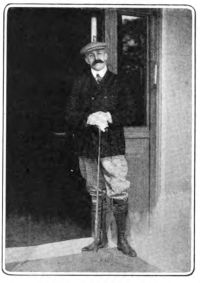
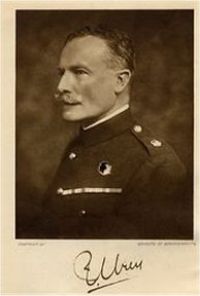
Portrait of Percival Christopher Wren Percival Christopher Wren The Wages of Virtue (1916)

The man to whose presence the good people of Sidi-bel-Abbès (French petty officials, half-castes, Spanish Jews, Arabs, clerks, workmen, shopkeepers, waiters, and lowest-class bourgeoisie) took exception at the bandstand, in the Gardens, in the Cafés, in the very streets; the man from the contamination of whose touch the very cocottes, the demi-mondaines, the joyless filles de joie, even the daughters of the pavement; drew aside the skirts of their dingy finery (for though the Wages of Virtue are a halfpenny a day for the famous Legion, the Wages of Sin are more for the infamous legion)
Source: Wikisource

M. F. Mansfield In the Land of Mosques & Minarets

The round of Old Biskra and its villages is readily made on foot or by carriages; and one may even continue farther afield to the sandy, wavy dunes of the desert, and to the “Fontaine Chaude,” or to the Shrine of Sidi-Okba, twenty kilometres out over the camel trail of the open desert. This excursion to Sidi-Okba is classic.
Sidi-Okba sits in the midst of a fine oasis of some seventy thousand date-growing palms. It is a miserable, unlovely enough little village, but the memory of the Arab conqueror, Okba-ben-Nofi, has made it famous.
Source: Gutenberg

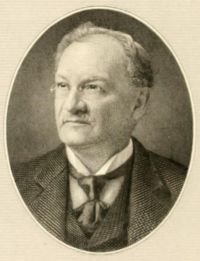
Portrait of G. A. Henty G. A. Henty At Aboukir and Acre: A Story of Napoleon's Invasion of Egypt

You learnt that many Arabs had been killed when we poured out of the city, and that others had been taken prisoners. Wounded yourself, you lose no moment in finding my two followers. All night you search among the dead for me, and carry me off to a place of safety. Then, without rest, without pause, you return to the city and begin to take measures to rescue Sidi. He was in the citadel, strongly guarded by French troops.
Source: Gutenberg

Get perspective with Kwize: daily news enlightened by great literature