Kasbah

Definition and stakes

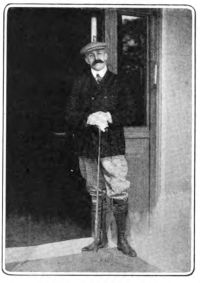
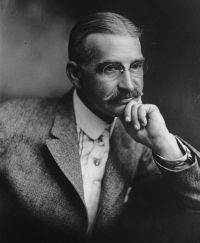
Portrait of William Le Queux William Le Queux,  Zoraida: A Romance of the Harem and the Great Sahara

“ Secure from attack, its moat is now filled up, and in front of the stone-built Kasbah stands the principal of the twenty mosques, with its high dome and tall slender minarets. Around its ancient market-place, where for hundreds of years slaves were bought and sold, are cool arcades with crumbling horse-shoe arches, while beside it there rises the dilapidated dome of a disused house of prayer, bearing some curious plaster arabesques. ”
Source: Gutenberg

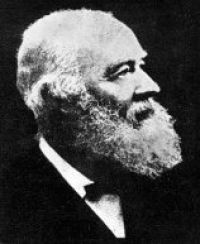
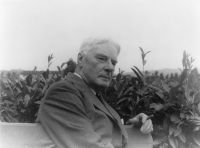
Portrait of Norman Douglas Norman Douglas,  Fountains in the Sand: Rambles Among the Oases of Tunisia

“ One of the two hot springs of Gafsa is enclosed within this Kasbah, while the other rises near at hand and flows into the celebrated baths—the termid, as the natives, using the old Greek word, still call it. It is a large and deep stone basin, half full of warm water, in which small fishes, snakes and tortoises disport themselves; the massive engirdling walls demonstrate its Roman origin. Thick mists hang over the termid in the early mornings, when the air is chilly, but later on it becomes a lively place, full of laughter and splashings. ”
Source: Gutenberg

1911 Encyclopædia Britannica (1911)

“ Attached to the mosque is a college attended by several hundreds of Moslem youths. The Dar-el-Bey contains numerous rooms beautifully decorated in the Moorish style of the 18th century; and the judgment hall has a domed roof adorned with the delicate arabesque plaster-work known as Nuksh hadida. The kasbah, which forms the western side of the Suk-el-Islam, includes within the circuit of its walls a mosque built about A.D. 1232 by Abu Zakariya the Hafsite. Of the ancient kasbah nothing but the walls remain, the old buildings having been demolished to make way for barracks for the French troops. ”
Source: Wikisource

Get perspective with Kwize: daily news enlightened by great literature