Sigurd the Crusader

Definition and stakes

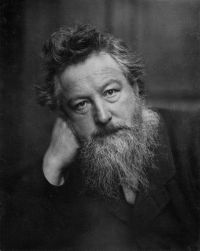
Portrait of Snorri Sturluson Snorri Sturluson,  Heimskringla — Saga of Sigurd the Crusader and His Brothers Eystein and Olaf

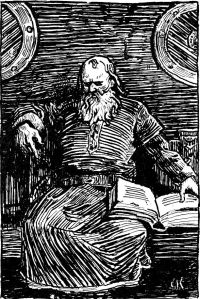
“ King Sigurd's Journey out of the Country. Four years after the fall of King Magnus (A.D. 1107) , King Sigurd sailed with his people from Norway. He had then sixty ships. So says Thorarin Stutfeld: --
"A young king just and kind, People of loyal mind: Such brave men soon agree, -- To distant lands they sail with glee. To the distant Holy Land A brave and pious band, Magnificent and gay, In sixty long-ships glide away." King Sigurd sailed in autumn to England, where Henry, son of William the Bastard, was then king, and Sigurd remained with him all winter.
”
Source: Wikisource

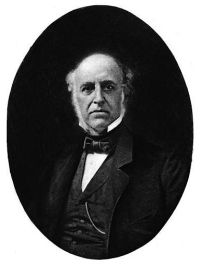
Portrait of Snorri Sturluson Snorri Sturluson,  Heimskringla — Saga of Sigurd the Crusader and His Brothers Eystein and Olaf

“ The Danish king, Nikolas, a son of Svein Ulfson, married afterwards the Queen Margaret, a daughter of King Inge, who had before been married to King Magnus Barefoot; and their sons were Nikolas and Magnus the Strong. King Nikolas sent a message to King Sigurd the Crusader, and asked him if he would go with him with all his might and help him to the east of the Swedish dominion, Smaland, to baptize the inhabitants; for the people who dwelt there had no regard for Christianity, although some of them had allowed themselves to be baptized. ”
Source: Wikisource

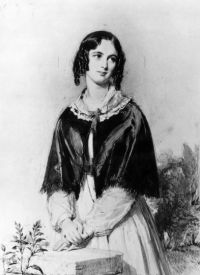
Portrait of Charlotte M. Yonge Charlotte M. Yonge,  Cameos from English History, from Rollo to Edward II

“ Sigurd had the restless spirit of the Sea-kings, and became a Crusader. He spent the first winter in England, the second in aiding the Christians of Spain against the Moors: he visited the Normans in Sicily, and, as the King of the whole Northern race, conferred on Count Roger de Hauteville the title of King of Sicily, and then proceeded to Jerusalem.
Baldwin I. received him splendidly, and availed himself of his aid to capture the town of Zidon. He left the Holy Land, taking as his reward a piece of the wood of the True Cross, and returned through Constantinople.
”
Source: Gutenberg

Get perspective with Kwize: daily news enlightened by great literature