Southern states' secession

Definition and stakes

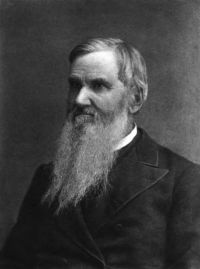
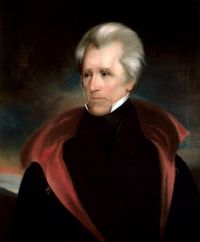
George Ticknor Curtis,  Life of James Buchanan, Fifteenth President of the United States…

“ The signs of the times are truly portentous. Whilst many in the South openly advocate the cause of secession and union, a large majority, as I firmly believe, still fondly cling to the Union, awaiting with deep anxiety the action of the North on the compromise lately effected in Congress. Should this be disregarded and nullified by the citizens of the North, the Southern people may become united, and then farewell, a long farewell, to our blessed Union. I am no alarmist; but a brave and wise man looks danger steadily in the face. ”
Source: Gutenberg

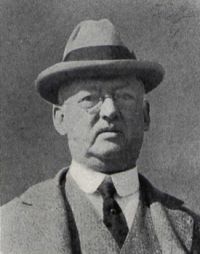
John Alexander Martin,  Addresses: by John A. Martin. Delivered in Kansas

“ Educated for generations to believe in the right of secession, it is not strange that Southern men who did not believe any real cause for a dissolution of the Union existed, went with their States when they determined to secede. Taught, from infancy, that their first allegiance was due to the State, it was not singular that they rallied to its standard when it called on them, and that, during four years of desperate war, they fought, with a courage and steadfastness that challenges the admiration of all men, for the idea, the principle, they had been educated to believe was right. ”
Source: Gutenberg

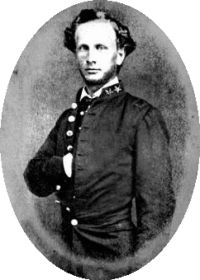
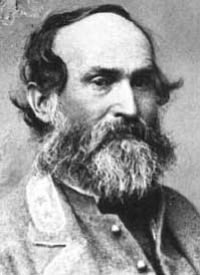
Portrait of Jubal Anderson Early Jubal Anderson Early,  The Heritage of The South

“ When the right to discuss, deliberate and decide, exists, those possessing it, must necessarily be the sole judges of how it is to be exercised. The Southern states did deliberate and did decide that they could no longer remain in the Union with safety, and therefore they determined to withdraw from it. If the Southern people had been hurried into secession by their leaders, they are the parties to complain and to hold the guilty ones responsible. ”
Source: Gutenberg

Get perspective with Kwize: daily news enlightened by great literature