Spanish–American War

Definition and stakes

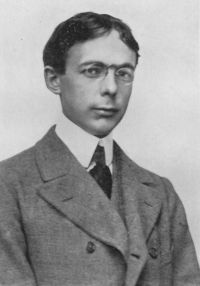
Harry Perry Robinson,  The Twentieth Century American

“ The Spanish-American War brought the people suddenly into contact with the things of Europe and widened their horizon. The war itself was only an accident; for the growth of American commerce, the increase of wealth, the uncontainable expansive force of their industrial energy, must have compelled a departure from the old isolation under any circumstances. The quarrel with Spain did but furnish, as it were, a definite taking-off place for the leap which had to be made. [113:1] Since then, foreign politics and foreign affairs have acquired a new interest for Americans. ”

Source: Gutenberg

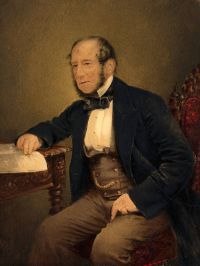
Gerald Stanley Lee,  Crowds

“ In the American war with Spain modern thought attacked the last pathetic citadel in modern life of polite illusion, of lie-poetry, and in that one little flash of war between the Spain spirit and the American spirit, in our modern world, the nations got their final and conclusive sense of what the Spanish civilization really was, of the old Don Quixote thinking, of the delightful, brave, courtly blindness, of the world's last stronghold of pomposity, of vague, empty prettiness, of talking grand and shooting crooked. ”
Source: Gutenberg

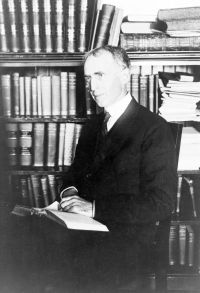
Portrait of John Dos Passos John Dos Passos,  Rosinante to the Road Again

“ So with the traditions: the tradition of Catholic Spain, the tradition of military grandeur, the tradition of fighting the Moors, of suspecting the foreigner, of hospitality, of truculence, of sobriety, of chivalry, of Don Quixote and Tenorio.
The Spanish-American war, to the United States merely an opportunity for a patriotic-capitalist demonstration of sanitary engineering, heroism and canned-meat scandals, was to Spain the first whispered word that many among the traditions were false. The young men of that time called themselves the generation of ninety-eight.
”
Source: Gutenberg

Get perspective with Kwize: daily news enlightened by great literature