Neutrality

Definition and stakes

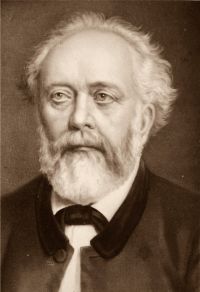
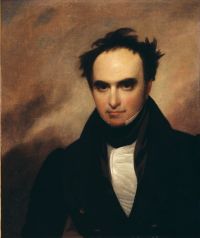
Portrait of Daniel Webster Daniel Webster,  The Great Speeches and Orations of Daniel Webster

“ We mean by our policy of neutrality, that the great objects of national pursuit with us are connected with peace. We covet no provinces; we desire no conquests; we entertain no ambitious projects of aggrandizement by war. This is our policy. But it does not follow from this, that we rely less than other nations on our own power to vindicate our own rights. We know that the last logic of kings is also our last logic; that our own interests must be defended and maintained by our own arm; and that peace or war may not always be of our own choosing. ”

Source: Gutenberg

Paul Janet,  Elements of Morals

“ Neutrality.—We call neutrality the situation of States which, in a case of war, side with neither the one nor the other of the belligerents, but remain at peace with the two parties. They are, therefore, obliged to practice toward them the laws of natural right impartially: if, for example, they render to one a service of humanity, they must not refuse the same service to the other. ”
Source: Gutenberg

Portrait of Daniel Webster Daniel Webster,  The Great Speeches and Orations of Daniel Webster

“ Our neutral policy, therefore, not only justifies, but requires, our anxious attention to the political events which take place in the world, a skilful perception of their relation to our own concerns, and an early anticipation of their consequences, and firm and timely assertion of what we hold to be our own rights and our own interests. Our neutrality is not a predetermined abstinence, either from remonstrances, or from force. Our neutral policy is a policy that protects neutrality, that defends neutrality, that takes up arms, if need be, for neutrality. ”
Source: Gutenberg

Get perspective with Kwize: daily news enlightened by great literature