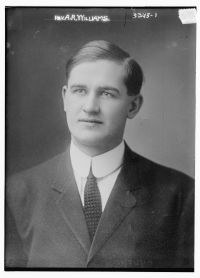
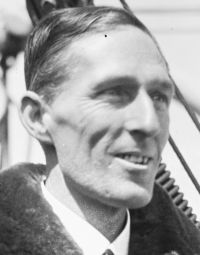
“ It was an easy thing to over-run the unprepared Belgian soil—but the Belgian spirit is unconquerable."Belgium may slumber, but die—never."When men act as part of an implacable machine, they act apart from their humanity. They commit unbelievable horrors, because the thing that moves them is raw force, untouched by fine purpose and the elements of mercy. When I think of Germans, man by man, as they lay wounded, waiting for us to bring them in and care for them as faithfully as for our own, I know that they have become human in their defeat. We are their friends as we break them. ”
Arthur Gleason
Biographical details

Arthur Gleason (1878–1923) was an American journalist whose works, including Our Part in the Great War, Golden Lads, and Young Hilda at the Wars, examine the profound impact of World War I on individuals and nations.
His writings address the terrors of war while highlighting the unyielding human spirit, as reflected in his observations on Belgian perseverance and the ethical dilemmas of combat. Through compelling stories and sharp analysis, Gleason portrays the contrast between brutality and empathy, providing a moving account of the era’s challenges and aspirations.
Quotes by Arthur Gleason
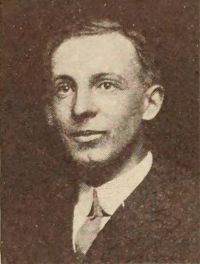 Arthur Gleason,
Our Part in the Great War
Arthur Gleason,
Our Part in the Great War
“ IX AN APPEAL TO THE SMALLER AMERICAN COMMUNITIESBurned villages are like ruins of an ancient civilization. To wander through them was as if I were stepping among the bones of a dead age. Only the green fields that flowed up to the wrecked cottages and the handful of sober-faced peasants—only these were living in that belt of death that cuts across the face of France, like the scar from a whip on a prisoner's cheek. French soil is sacred to a Frenchman. ”
Arthur Gleason,
Young Hilda at the Wars
“ This valiant Belgian soldier was a mystic of war.In the trenches and at the hospitals, Hilda had met a race of prophets, men who carry about foreknowledge and premonitions. Sturdy bearded fellows who salute you as men about to die. They are perfectly cheery, as brave as the unthinking at their side, but they tramp firmly to a certain end. War lets loose the rich life of subconsciousness which most mortals keep bottled up in the sleepy secular days of humdrum. Peril and sudden death uncork those heady vapors, and sharpen the super-senses. ”