“ It was an easy thing to over-run the unprepared Belgian soil—but the Belgian spirit is unconquerable."Belgium may slumber, but die—never."When men act as part of an implacable machine, they act apart from their humanity. They commit unbelievable horrors, because the thing that moves them is raw force, untouched by fine purpose and the elements of mercy. When I think of Germans, man by man, as they lay wounded, waiting for us to bring them in and care for them as faithfully as for our own, I know that they have become human in their defeat. We are their friends as we break them. ”
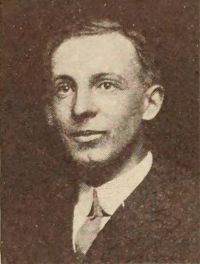
Arthur Gleason
Summary
"Golden Lads" by Arthur Gleason is a firsthand account of World War I's brutal impact on Belgium, blending vivid war reportage with reflections on humanity amid conflict. Set against the backdrop of trench warfare and German occupation, the narrative follows ambulance drivers and soldiers navigating atrocities, camaraderie, and the ethical dilemmas of aid work.
Themes of resilience, the dehumanizing forces of war, and the shared suffering of civilians and combatants dominate, underscored by the author’s encounters with wounded soldiers and the Red Cross’s role. Gleason’s stark portrayal of Belgium’s endurance and the paradox of enemy compassion reveals a work grounded in the raw realities of a war that sought to erase both land and spirit.
Quotes from Golden Lads (Arthur Gleason)
“ An overturn would kill a man who was seriously wounded. Driving meant drawing all her nervous forces into her directing brain and her two hands. A village on fire at night is an eerie sight. A dark road, pitted with shell holes and slimy with mud, is chancy. The car with its human freight, swaying, bumping, sliding, is heavy on the wrist. The whole focused drive of it falls on the muscles of the forearm. And when on the skill of that driver depends the lives of three men the situation is one that calls for nerve. It was only luck that the artillery from beyond the Yser did not begin tuning up. ”
“ It was the sharing of danger, the facing together of the horror that underlies life, and which we try to forget in soft peace days. The friendships of war are based on a more fundamental thing than the friendships of safe living. In the supreme experience of motherhood, the woman goes down alone into the place of suffering, leaving the man, however dear, far away. But in this supreme experience of facing death to save life, you go together. The little Belgian soldier is at your side. Together you sit tight under fire, put the bandages on the wounded, and speed back to a safer place. ”
