Sultan of the Ottoman Empire

Definition and stakes

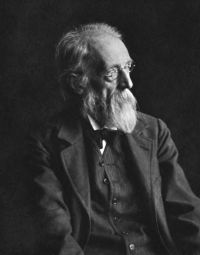
Portrait of Voltaire Voltaire Voltaire's history of Charles XII, king of Sweden (1912)

The fact that they have Ottoman blood in their veins, and the right they have to the Turkish Empire on the extinction of the race of the Sultan, make their family respected and their persons formidable even to the Sultan himself: that is why the Sultan dare not destroy the race of the Kans of Tartary; but he hardly ever allows them to continue on the throne to an advanced age. The neighbouring pashas spy on their conduct, their territories are surrounded by janissaries, their wishes thwarted by the Grand Vizir, and their designs always suspected.
Source: Gutenberg

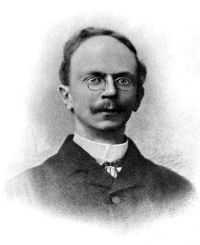
Habeeb Risk Allah The Thistle and the Cedar of Lebanon

They are nominally free subjects of an enlightened government, but virtually the slaves of circumstances, groaning under the petty chiefs and subordinate understrappers of government, who have yet to learn submission to the will and mandates of the present excellent Sultan, Abdul Medjid Khan, whose reign has already been distinguished by many great improvements in the condition of the Christian population. Many of the firmans issued of late years have not as yet come into force in the interior of Turkey, and in those possessions of the Ottoman empire situated farthest from the sea-ports.
Source: Gutenberg

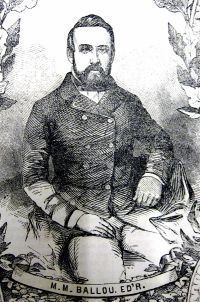
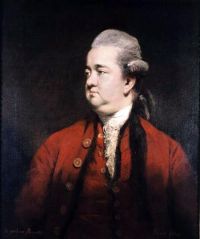
B. Granville Baker The Passing of the Turkish Empire in Europe

Mohammed was also the last of the Imperial Princes to be trusted with the governorship of a province; from his time on all scions of the House of Othman were kept in rigorous seclusion, leaving it for the grave or the throne as fate might decide. This Sultan also preferred a life of ease to the hardships of campaigning, and amidst the pleasures of the Seraglio, where his mother, Safiyé Sultana Validé, reigned supreme, let the misfortunes that befell the Ottoman armies pass unheeded.
Source: Gutenberg

Get perspective with Kwize: daily news enlightened by great literature