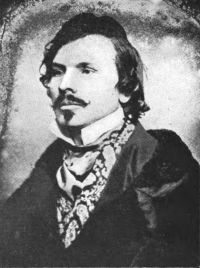
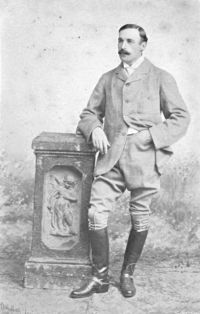
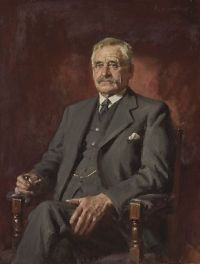
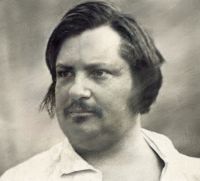
The term seraglio refers to a palace or enclosure, typically linked to Eastern contexts, especially in relation to the secluded areas inhabited by women in Ottoman harems. Authors have examined this concept from various perspectives: Montesquieu used it metaphorically in Persian Letters to critique social restrictions, while Fanny Janet Sandison Blunt analyzed its effects on women's lives in Turkey.
Philip Henry Gosse applied it to describe bird mating behaviors, and James George Frazer connected it to ancient Greek architecture. The term also represents power structures, as observed by Walter Matthew Gallichan, and its origins, explored by Ernest Weekley, highlight cultural intersections. These differing interpretations emphasize the seraglio’s function as both a physical location and a symbol of restriction, dominance, and cross-cultural interaction.
 Montesquieu,
Persian Letters — Letter 149
(1721)
Montesquieu,
Persian Letters — Letter 149
(1721)