“ See Berar Gazetteer, 196.] NAIR, s. Malayal. nāyar; from the same Skt. origin as Naik. Name of the ruling caste in Malabar. [The Greek νάουρα as a tract stood for the country of the Nairs. For their customs, see Logan, Malabar, i. 131.] 1510.—"The first class of Pagans in Calicut are called Brahmins. The second are Naeri, who are the same as the gentlefolks amongst us; and these are obliged to bear sword and shield or bows and lances."—Varthema, pp. 141-142.1516.—"These kings do not marry ... only each has a mistress, a lady of great lineage and family, which is called nayre."—Barbosa, 165. ”
Nair
Definition and stakes
The Nair, a historically significant caste of the Malabar region in South India, derive their name from the Malayalam term nāyar and are connected to the Sanskrit nāyaka, which refers to a ruling or warrior class. Scholars such as A. C. Burnell and Duarte Barbosa emphasize their martial role and noble status, while Sir Clements R.
Markham outlines their unique social institutions, such as the murroo-muka-tayum, which shaped familial and marital structures. Otto Rothfield highlights their matriarchal traditions and cultural uniqueness, contrasting their independence with Aryan influences. These viewpoints collectively illustrate the Nair’s complex identity as both a warrior elite and a socially stratified group, deeply rooted in the historical and cultural landscape of Kerala.
Quotes about “Nair”
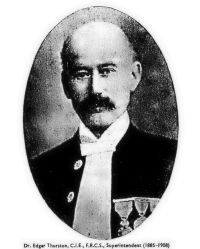 Edgar Thurston,
Castes and Tribes of Southern India
(1909)
Edgar Thurston,
Castes and Tribes of Southern India
(1909)
“ According to Nair, and even general Hindu mythology, there are certain objects which possess an inherent inauspicious character. For instance, ashes, firewood, oil, and a lot of similar objects are inauspicious ones, which will render him who chances to notice them first fare badly in life for the whole year, and their obnoxious effects will be removed only on his seeing holy things, such as reigning princes, oxen, cows, gold, and such like, on the morning of the next new year. ”
John Arnott MacCulloch, The Mythology of All Races/Volume 3 (1918)
“ The story of Crimthann Nia Náir shows that one who sojourns in the divine land or tastes its food may not be able to return to earth with impunity, for he has become a member of the other-world state and is no longer fit for earth. ”