Sultanahmet

Definition and stakes

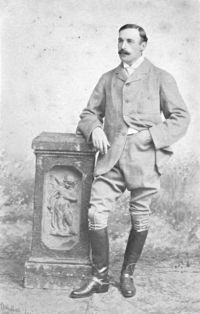
B. Granville Baker,  The Passing of the Turkish Empire in Europe

“ Under the law, administered by the Sultan, the Turks increased in numbers, extended their possession, carved a large Empire out of the ruins of former civilizations, and left unsought those Elysian fields wherein the intellect of a nation gains those victories that make for stability, the fields of progress, scientific, literary, artistic. Under the law they built up their body politic, each member sincerely, blindly devoted to the dynasty of Othman, however many corpses of its scions might pave a Sultan’s upward path to power. ”
Source: Gutenberg

The European Concert in the Eastern Question (1885)

“ All the Treaties, and all the laws of the Ottoman Empire, shall be applicable to Egypt, and to the Pashalic of Acre, such as it has been above defined, in the same manner as to every, other part of the Ottoman Empire. But the Sultan consents, that on condition of the regular payment of the tribute above-mentioned, Mehemet Ali and his descendants shall collect, in the name of the Sultan, and as the delegate of His Highness, within the Provinces the administration of which shall be confided to them, the taxes and imposts legally established. ”
Source: Wikisource

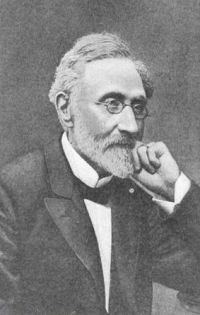
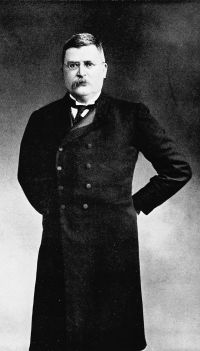
Vincent Henry Penalver Caillard and Elias John Wilkinson Gibb,  1911 Encyclopædia Britannica, Volume 27… (1911)

“ In temporal matters the sultan is a constitutional monarch, advised by a cabinet formed of executive ministers who are the heads of the various departments of state, and who are responsible to the elected Turkish parliament. All Turkish subjects, of whatever race or religion, have equal juridical and political rights and obligations, and all discrimination as to military service has been abolished. The sultan remains the spiritual head of Islam, and Islam is the state religion, but it has no other distinctive or theocratic character. ”
Source: Wikisource

Get perspective with Kwize: daily news enlightened by great literature