Sunday labor

Definition and stakes

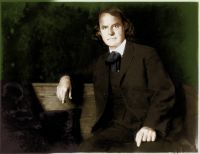
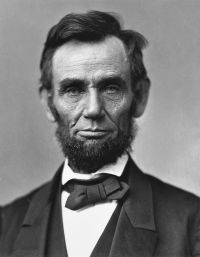
Portrait of David Ross Locke David Ross Locke,  Nasby in Exile

“ And besides this reason for Sunday demonstrations in any country under British rule, the citizen does not have time enough on any other day to make any demonstrations, political or otherwise. He has to earn his two meals of potatoes a day, and his landlord has a mortgage upon the remainder of his time. Sunday is his only day, and it is a blessed thing for him that the Church of England stands between him and his landlord. Were not labor on the Sabbath illegal, My Lord would raise his rent to the point of making Sunday labor necessary. ”
Source: Gutenberg

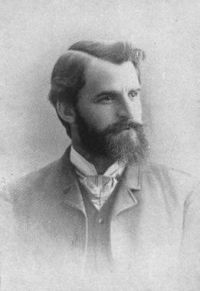
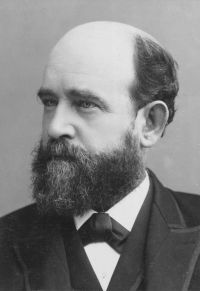
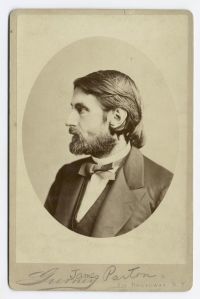
Portrait of James Parton James Parton,  Captains of Industry; or, Men of Business Who Did Something Besides Making Money

“ The first few days, the cessation from labor may be a relief and a pleasure to a large number—a holiday, although a dull and tedious holiday, like a Sunday without any of the alleviations of Sunday—Sunday without Sunday clothes, Sunday bells, Sunday church, Sunday walks and visits. A painful silence reigns in the town. People discover that the factory bell calling them to work, though often unwelcome, was not a hundredth part as disagreeable as the silence that now prevails. The huge mills stand gaunt and dead; there is no noise of machinery, no puff of steam, no faces at the windows. ”
Source: Gutenberg

Various,  Popular Science Monthly (1888)

“ Another report says, that Sunday labor has become "a principle with many employers," while in a number of cases the journeyman or operative seeking an engagement must bind himself to work on Sunday, and "if the workman refused to work on Sunday, reprisals on the part of the employer would be the inevitable result, and this is so, even in spite of the legal restriction of work on Sundays and festivals." ”
Source: Wikisource

Get perspective with Kwize: daily news enlightened by great literature